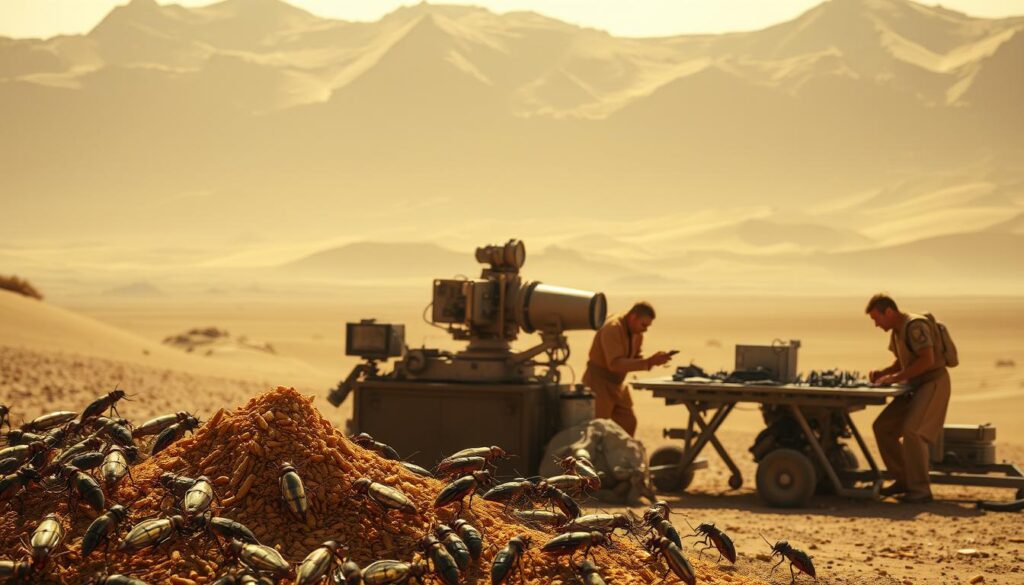
Surviving the deserts of Arrakis means mastering both its environment and its factions. Among the most dangerous groups you’ll face are the Slavers—ruthless traders allied with House Harkonnen. Their camps hold critical value for advancing quests like the Test of Prowess, making them key targets for ambitious players.
This guide focuses on practical strategies for pinpointing these enemies efficiently. You’ll learn to recognize their settlements through unique markers, such as reinforced structures and Harkonnen banners. Understanding their role in faction politics also reveals why they’re prioritized in House Atreides missions.
Preparation is crucial. Slavers deploy advanced gear and guard their territories fiercely. We’ll break down the regions they frequent most, from rocky outcrops to hidden oases, and share tactics to avoid detection while scouting. Whether you’re new to the sands or refining your approach, these insights will sharpen your hunts.
Key Takeaways
Slavers operate under House Harkonnen’s protection, complicating faction dynamics
Locate camps using visual clues like industrial equipment and patrol routes
Critical for progressing high-stakes quest chains and earning rare rewards
Focus searches in southern desert zones and shadowed canyon networks
Engage with stealth tactics to counter their superior numbers
Understanding Dune Awakening and Its Factions
In the shifting sands of Arrakis, alliances shape survival as much as skill. The game’s factions drive every conflict, reward, and story beat. Your choices here ripple through missions, resources, and even how enemy groups react to your presence.
Game World Mechanics and Mission Design
Quests in this survival MMO aren’t just checklists—they’re power plays. The Test of Prowess mission shows this perfectly. When Lieutenant Anton Tolliver at The Anvil tradepost asks you to eliminate 10 foes, you’re not just fighting. You’re weakening House Harkonnen’s grip on the region.
Slavers’ Strategic Importance
These mercenaries fuel Harkonnen operations through brutal trades. Targeting them does more than complete objectives—it shifts faction balance. Completing these quests unlocks better gear and unique story paths with House Atreides.
Every battle against these forces carries weight. Succeed, and you’ll gain trust from allies. Fail, and the desert becomes far less forgiving.
Key Strategies: where to find slavers dune awakening
Mastering Arrakis requires more than combat skills—it demands strategic navigation of its treacherous landscapes. Focus your efforts on the Jabal Eifrit region, where hostile forces cluster around vital resources. This area’s unique geography creates perfect hideouts for organized groups.
Identifying Slaver Camps and Flag Indicators
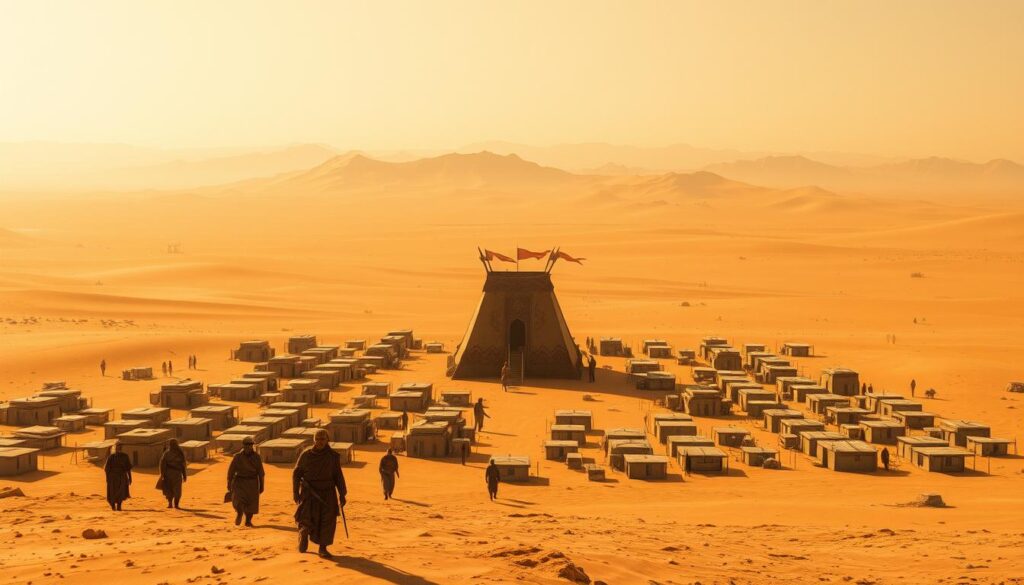
Look for triangular banners flying near makeshift shelters—these mark occupied territories. Camps often position these flags 50-100 meters from their central operations. Enemies wearing tinted goggles patrol these zones, making them easier to spot against sandy backdrops.
Intel Bases stand out with multiple watchtowers and storage crates. These hubs contain 3-5 times more combatants than smaller outposts. Prioritize them when tackling objectives requiring rapid eliminations.
Navigating Jabal Eifrit and Surrounding Areas
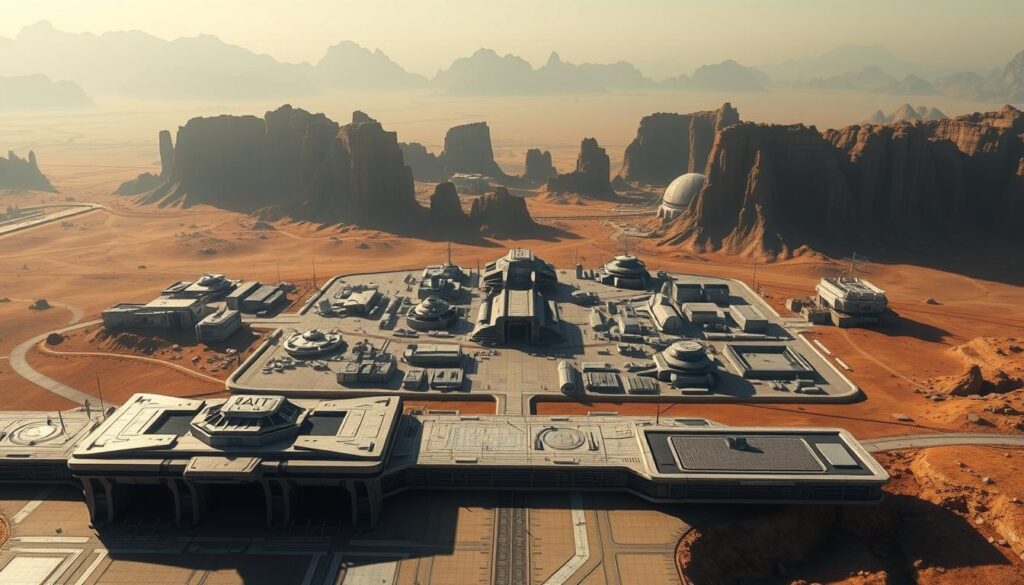
The Al-janub sector near Imperial Testing Station 76 offers dense enemy clusters. Create looping routes around its eastern ridges to maximize encounters. For beginners, the Runaway Station’s western camps provide manageable skirmishes with clear escape routes.
Al-gharb’s canyon networks require careful movement. Use rock formations for cover while scouting. Remember: higher ground reveals patrol patterns and hidden supply caches critical for sustained operations.
Tactical Guide to Engaging and Eliminating Slavers
Outsmarting Arrakis’ deadliest threats demands precision planning and adaptable tactics. These combatants use layered defenses and coordinated strikes, requiring fighters to rethink standard approaches. Let’s break down proven methods to turn their strengths into weaknesses.
Effective Combat Techniques and Equipment Selection
Your loadout makes or breaks these encounters. Prioritize modified rifles with thermal scopes – they pierce sandstorms and hit targets 200+ meters out. Pair this with lightweight body armor that doesn’t slow your repositioning.
Slavers cluster near fuel depots and comms towers. Use these structures against them – shoot explosive barrels to create diversions. Wait for patrols to separate before engaging. Three shots then relocate prevents counterattacks.
Approaching Group Encounters and Test of Prowess
When facing multiple foes, control the battlefield’s rhythm. Lure scouts using hacked surveillance drones, then eliminate responders individually. This “peel-back” method works perfectly for Test of Prowess objectives requiring sequential takedowns.
Remember: these encounters test endurance more than speed. Carry extra coolant packs for weapons and deploy portable shields when advancing. Successful hunters balance aggression with calculated retreats to reset unfavorable fights.
Conclusion
Conquering Arrakis’ challenges transforms players into masters of survival and strategy. The Test of Prowess quest chain exemplifies this growth, blending combat mastery with faction politics through its 10-target elimination phase. Completing these contracts does more than unlock gear—it builds trust with House Atreides and reshapes your journey’s trajectory.
This walkthrough prepares you for multi-layered missions, from missing spy recoveries to test cunning operations. Each successful hunt sharpens skills needed for advanced chains, where split-second decisions determine success. Remember: practice transforms basic tactics into second-nature reflexes.
Your progress through these challenges opens elite contracts few ever see. Whether tackling solo objectives or coordinated strikes, the techniques here create lasting advantages. Keep refining your approach—every skirmish teaches something new about Arrakis’ ever-shifting dangers.
Armed with these strategies, you’re ready to dominate high-stakes quests and claim rewards that reshape the desert’s balance of power. The sands test everyone—but now, you’re equipped to answer.
FAQ
How do I track slaver camps in the game?
Look for smoke plumes or red flags in desert regions like Jabal Eifrit. Use your map to spot activity markers tied to faction quests or contracts.
What’s the connection between slavers and House Atreides?
House Atreides occasionally hires slavers for covert missions. Completing related quests may test your loyalty or cunning when navigating alliances.
What gear works best against slaver groups?
Prioritize silenced weapons for stealth or explosives for crowd control. Upgrade armor to counter their close-combat tactics during Test of Prowess challenges.
How do I rescue the missing spy in Jabal Eifrit?
Infiltrate the northeastern camp at night. Use distractions to isolate guards, then hack terminals to locate the spy before triggering alarms.
Are there rewards for breaking slaver supply chains?
Yes! Disrupting routes unlocks rare schematics and faction reputation. Focus on destroying transport vehicles or sabotaging resource depots.
Can I ally with slavers temporarily?
Certain quests allow temporary alliances for intel or equipment. However, this may lower standing with other factions like the Fremen.
Navigating the vast deserts of Arrakis requires sharp instincts and reliable intel. One of the most sought-after objectives for Planetologist class enthusiasts involves recovering ancient technology tied to character growth. This guide focuses on a critical mission that unlocks advanced abilities and reveals secrets buried in abandoned facilities.
The Minimic Film Recovery Contract challenges players to locate hidden reels containing Old Empire data. These artifacts were concealed during lab lockdowns, making them tricky to uncover due to scavenger activity. Successfully completing this task grants access to rare upgrades and deepens your understanding of the game’s lore.
We’ll break down the most efficient routes to secure these items while avoiding common pitfalls. Learn how to interpret environmental clues, bypass obstacles, and maximize rewards. Whether you’re a newcomer or a seasoned explorer, these strategies will streamline your progress through this pivotal storyline.
Key Takeaways
The quest is essential for unlocking advanced character abilities and gameplay options
Scavengers and environmental hazards create unique challenges during the search
Historical data from Old Empire labs provides valuable in-game lore insights
Specific terrain features serve as reliable markers for hidden caches
Completing the contract rewards rare upgrades for continued progression
Introduction to the Quest and Its Importance
Securing rare upgrades in Dune Awakening demands tackling high-stakes missions like the Minimic Film Recovery quest. This contract acts as a critical turning point for players aiming to specialize in environmental mastery. Unlike standard missions, it rewards unique progression paths that reshape how you interact with Arrakis.
Overview of the Mimic Film Recovery Quest
This Planetologist Contract tasks you with retrieving ancient data reels from abandoned research stations. Scavengers and shifting sands guard these artifacts, requiring careful navigation. Completing it grants immediate rewards and unlocks deeper gameplay layers.
Significance for Unlocking the Planetologist Skill Tree
The true value lies in accessing the exclusive Planetologist skill tree. These abilities enhance survival through improved resource tracking and hazard resistance. Since this class isn’t available at character creation, completing the quest becomes essential for late-game strategies.
Reward Type
Quantity
Game Impact
Experience Points
700 XP
Level Progression
Currency
2000 Solari
Equipment Upgrades
Skill Access
Full Tree Unlock
Exploration Boost
Players gain permanent advantages like water conservation techniques and spice detection. These skills prove vital when exploring remote regions. The quest also initiates a chain of interconnected missions, deepening your role as Arrakis’s foremost researcher.
Step-by-Step Guide on Where to Find the Mimic Film in Dune Awakening
Embarking on this critical mission requires precise coordination between navigation and dialogue interactions. Follow these structured steps to secure the artifacts while avoiding common oversights.
How to Unlock and Accept the Quest
Your journey starts at Derek Chinara’s makeshift camp nestled in the Hagga Basin South. This seasoned researcher holds vital clues about the Minimic Film Recovery Contract. Approach him directly to trigger the mission dialogue.
After speaking with Derek, you’ll receive coordinates for Imperial Testing Station No. 2. Pay attention to his warnings about scavenger patrols and collapsed infrastructure within the facility.
Locating the Key Imperial Testing Stations
The primary objective lies east of Griffin’s Reach Tradepost. Use these landmarks to orient yourself:
Follow canyon ridges northwest from the tradepost
Watch for rusted communication towers marking the perimeter
Check your compass for elevation changes near buried structures
Successful navigation rewards access to restricted areas containing Old Empire data caches. Remember: testing stations often have multiple entry points – scout the perimeter before committing to an approach.
“Imperial facilities hide their treasures behind environmental puzzles, not just locked doors.”
Equip gear with radiation resistance before entering the imperial testing station. Scavenged blueprints in Derek’s camp reveal hidden ventilation shafts that bypass main security checkpoints.
Understanding the Testing Stations and Quest Objectives
Decoding Imperial facilities requires equal parts curiosity and caution. These abandoned complexes hold critical secrets for ambitious explorers, but their dangers demand strategic preparation.
Imperial Testing Station No. 2 and Beyond
The primary testing station features labyrinthine corridors frozen in time. Watch for structural weaknesses in floors and ceilings – decades of neglect make traversal unpredictable. Combat-ready scavengers patrol key areas, forcing players to choose between stealth and confrontation.
Three essential navigation tips:
Follow emergency lighting remnants toward central archives
Listen for wind whistling through hidden passages
Scan shelves for anomalous yellow-glowing objects
“Old Empire engineers loved hiding secrets in plain sight – if a wall looks too clean, it’s probably a door.”
Mission Objectives and Reward Breakdown
Your film recovery mission centers on locating a disguised vault within the imperial testing station. The prize lies behind a bookshelf marked by a luminous yellow tome – pull it to reveal the cache.
Objective
Challenge
Solution
Access restricted zone
Collapsed entryway
Use adjacent ventilation shaft
Locate hidden film
Camouflaged storage
Follow audio/visual cues
Extract safely
Enemy reinforcements
Activate emergency seals
Completing this quest unlocks blueprints for advanced scanning gear. These tools prove indispensable when tackling subsequent missions in the nine-part series. Remember – every recovered minimic film piece reshapes your understanding of Arrakis’ hidden history.
Strategies and Tips for Film Recovery and Quest Completion
Mastering Imperial Testing Station No. 2 demands tactical awareness and smart preparation. While the minimic film offers game-changing rewards, reaching it tests both combat proficiency and puzzle-solving skills.
Overcoming Enemy Encounters and Navigational Challenges
Scavenger groups patrol key areas inside imperial testing facilities. Equip mid-range weapons like pulse rifles for hallway skirmishes. Use collapsed machinery as cover during firefights – these environmental features reduce incoming damage by 40%.
Watch for these visual markers when navigating:
Flickering orange panels marking unstable floors
Blue hazard stripes indicating alternate routes
Ventilation grates with missing screws
Resource conservation proves vital. Limit shield activation to critical moments and prioritize melee takedowns when possible. The final quest phase triggers enemy reinforcements – save grenades for this wave.
Essential Gear and Skill Considerations
Your skill tree dune progression directly impacts mission success. Invest in these abilities before attempting the film recovery:
Gear Type
Recommended Tier
Purpose
Kinetic Shield
III+
Energy deflection
Audio Scanner
II+
Enemy detection
Hydration Pack
IV
Stamina boost
The glowing yellow book acts as your north star – follow it through three security checkpoints to the archive room. Combine terrain knowledge with power management for optimal results. Remember: completing this quest unlocks permanent upgrades, making temporary struggles worthwhile.
Balance offensive skills with survival perks for sustained progression. With proper preparation, you’ll secure the minimic film while conserving resource stocks for future challenges.
Conclusion
Completing your first Planetologist contract reshapes your role on Arrakis. This mission unlocks eight follow-up quests spanning diverse regions, from Western Vermillius Gap to Sietch Tarl. Each step deepens your expertise in environmental analysis and resource management.
Your partnership with Derek Chinara grows through these challenges. He’ll guide you through advanced Imperial Testing Stations, including No. 197’s complex puzzles. Smart travelers invest in Ornithopters early – distant locations demand efficient movement across shifting sands.
The Planetologist skill tree synergizes beautifully with other paths like the Bene Gesserit class. Combine terrain mastery with political intrigue for unmatched versatility. Follow the intended order of missions to unlock narrative payoffs and balanced progression.
Remember: every recovered artifact strengthens your position in this evolving world. With each completed quest, you’re not just surviving Arrakis – you’re rewriting its future.
FAQ
How do I start the Mimic Film Recovery quest in Dune: Awakening?
Speak with Derek Chinara, a key NPC in the early stages. He’ll assign the quest after completing introductory missions. Ensure you’ve unlocked the Planetologist class to access this storyline.
Where is Imperial Testing Station No. 2 located?
Head to the southern Arrakeen region. The station is tucked near rocky outcrops, marked by a rusted entrance. Use your map’s resource markers to pinpoint its exact location.
What rewards come with completing the quest?
Success grants access to the Planetologist skill tree, rare crafting blueprints, and Bene Gesserit-inspired gear. These boost survival stats and unlock advanced terraforming abilities.
Are there enemies inside the testing stations?
Yes. Expect Harkonnen patrols and automated defenses. Stealth or combat-focused builds work best. Use cover and silenced weapons to avoid triggering alarms in tight corridors.
How does the Planetologist skill tree help during the quest?
Skills like Environmental Analysis highlight hidden paths, while Soil Stabilization reduces fall damage. Prioritize these early to navigate testing stations efficiently.
Can I replay the quest for better loot?
No, but loot tables reset weekly. Return to Imperial Testing Station No. 2 after completing side objectives for additional resource crates and Bene Gesserit intel fragments.
What gear is essential for navigating the stations?
Equip a Rebreather Mask for toxic zones and a Portable Glowglobe for dark rooms. The Bene Gesserit combat suit also boosts evasion against enemy ambushes.
Dune awakening Game Patch 1.1.10.0 Changes Everything!
The latest update for the open-world survival MMO has arrived, delivering its most impactful changes since launch. Released on June 10th for Steam users, this patch redefines how players navigate the harsh deserts of Arrakis. From combat tweaks to quality-of-life upgrades, the adjustments reflect months of community feedback and technical refinements.
One standout change removes collision damage from vehicles, letting players strategize without fear of accidental harm during high-speed chases. PvP enthusiasts will notice shorter respawn timers in contested zones, creating faster-paced battles across the dunes. Developers also tackled persistent bugs like client freezes, ensuring smoother gameplay for everyone.
These improvements demonstrate the team’s dedication to evolving the experience. Whether you’re building bases or battling rivals, the update reshapes core mechanics while preserving the game’s signature intensity. Casual explorers and competitive veterans alike will find fresh opportunities to thrive in this ever-changing sandbox.
Key Takeaways
Largest gameplay overhaul since the title’s initial release
Faster PvP respawns create more dynamic combat scenarios
Critical bug fixes address stability and performance issues
Balances competitive play while enhancing exploration
Patch Overview and Key Improvements
A wave of changes sweeps across the desert, bringing fresh dynamics to survival strategies. This update focuses on three pillars: combat pacing, environmental navigation, and technical reliability. Players will notice immediate differences in how they interact with both rivals and the merciless sands of Arrakis.
New Gameplay Mechanics and Adjustments
The revamped respawn system creates strategic consequences for repeated defeats. Initial respawns now take 70 seconds, while subsequent returns stretch to 115 seconds – forcing players to weigh risks carefully. Vehicle handling sees major tweaks:
Feature
Before Update
After Update
Collision Damage
Enabled
Disabled
Unstuck Button
Available in vehicles
Disabled during rides
Map Transfers
Instant respawn
“Respawn” confirmation required
Enhanced Server and Client Stability
Technical upgrades address two major pain points. Server-side improvements reduce lag during large-scale battles, while client fixes prevent freezing when crossing desert regions. Critical alerts now appear front-and-center:
“We’ve repositioned service messages to ensure players never miss restart warnings during intense moments.”
These changes work together to create smoother expeditions across shifting sands. The update proves developers listen closely to community feedback while maintaining the world’s brutal charm.
In-Depth Analysis: Dune awakening Game Patch 1.1.10.0 Changes Everything!
This comprehensive update reshapes core systems through critical bug fixes, mechanical adjustments, and loot table optimizations. Players will notice smoother progression across Arrakis as developers tackle longstanding issues while preserving the title’s challenging spirit.
Vital Bug Fixes and Exploit Remedies
Combat reliability takes center stage with fixes to the Maula Pistol’s wayward dart trajectories. Projectiles now follow precise paths, rewarding skilled marksmanship. Base raiders face new restrictions as cutterays can no longer damage rival structures, protecting hard-earned resources.
The update stamps out sneaky inventory exploits. Crysknives remain firmly in players’ hands rather than disappearing into storage containers through item-swapping tricks. Banking systems also receive safeguards against Solaris losses during deposits.
Tweaks to Respawn and Vehicle Mechanics
Faction enthusiasts gain consistency with resolved Atreides Leader respawn glitches in Advanced Contracts. Research Journeys now progress seamlessly during vehicle travel – no more logging out to complete objectives while navigating dunes.
Deprecated Items and Updates to Loot Tables
The Dvyetz Ornithopter Engine Mk5 Schematic exits loot pools, clearing space for relevant rewards. This deprecated blueprint previously diluted rare drops, frustrating engineers seeking current schematics. Water extraction exploits from phantom deathstills also vanish, ensuring fair resource competition.
These targeted changes demonstrate the team’s commitment to balancing challenge and fairness. From combat precision to economic stability, every adjustment strengthens the foundation for future content.
Community Reactions and Gameplay Impacts
Players have voiced strong opinions across forums since the update dropped. While some praise technical upgrades, others face frustrating setbacks that reshape their desert adventures.
Feedback from General Discussions
Steam threads reveal stark contrasts in experiences. One faction celebrates smoother server performance and fairer PvP mechanics. “Finally, no more disappearing knives during raids!” wrote a veteran player.
Others report game-breaking issues. Multiple users described indoor areas where sand pours through solid ceilings, creating surreal visual chaos. One frustrated post summed it up: “What’s the point of base-building if physics go haywire?”
Player Experiences with Graphics and Performance
Hardware compatibility emerges as a key pain point. Mid-range PC users note improved frame rates, while some high-end systems struggle with texture glitches. The most vocal critics cite crashes during sandstorm events, calling certain zones “navigation nightmares.”
Developers acknowledge these reports through daily forum updates. A community manager recently stated:
“We’re prioritizing hotfixes for visual anomalies and stability hiccups while preserving core improvements.”
This balancing act continues as teams work to satisfy both competitive players and casual explorers. The update’s mixed reception highlights how major changes can affect communities differently based on playstyles and system specs.
Conclusion
This transformative update marks a pivotal moment for the survival MMO, balancing technical polish with bold mechanical shifts. While smoother PvP respawns and vehicle tweaks improve moment-to-moment play, some explorers report unexpected quirks like indoor sandstorms clipping through structures.
The developers’ thorough bug fixes showcase their dedication to fair competition. Blocking inventory exploits and stabilizing banking systems helps protect hard-earned resources. Still, the mixed reactions remind us that major changes need time to settle – like shifting desert sands finding new equilibrium.
Looking ahead, these foundational improvements set the stage for richer content. Players willing to adapt strategies during this transition period will likely reap long-term rewards. Keep an eye on official channels for hotfixes addressing lingering visual glitches and hardware hiccups.
Through it all, Dune: Awakening retains its signature intensity. Whether you’re dodging rival factions or braving sandstorms, the update strengthens the core experience while leaving room for future evolution. Stay sharp, stay flexible, and keep your stillsuit ready – Arrakis remains as merciless as ever.
FAQ
What are the biggest changes in the latest update?
The patch introduces revamped respawn mechanics, improved vehicle handling, and stability upgrades. It also removes outdated gear and adjusts loot distribution for balanced progression.
Will this update affect my current save files?
No existing saves will be corrupted. However, deprecated items will disappear from inventories, and new loot rules apply immediately.
Are there fixes for crashes during sandstorm events?
Yes! Client optimizations reduce memory leaks, and server-side tweaks prevent disconnects during intense weather effects.
How do the vehicle adjustments impact gameplay?
New traction physics make driving over dunes more realistic. Fuel efficiency is also rebalanced, requiring strategic resource management.
Did the developers address exploits in faction reputation systems?
Absolutely. Unintended reputation gain loops have been patched, and penalties for hostile actions now scale correctly.
Where can I share feedback about performance improvements?
Visit the official Funcom forums or join their Discord server. The team actively monitors both platforms for player input.
Dune Awakening: PVE-Only End Game Is Coming! Big Landsraad Update
The survival MMO landscape just got hotter than Arrakis’ twin suns. Funcom’s ambitious title, launched in June 2025, is shaking up its strategy after player feedback about high-stakes desert conflicts. Creative Director Joel Bylos dropped game-changing news this week that’s got the community buzzing.
For explorers tired of constant combat alerts, the new Partial Warfare zones offer breathing room. These PvE-safe areas let players gather rare materials without surprise attacks. But don’t worry, thrill-seekers – traditional battle zones remain for those who live for spice-fueled showdowns.
This overhaul directly responds to player concerns about the Deep Desert’s original design. Many felt forced into combat situations when hunting for top-tier resources. The update cleverly splits the map, giving both playstyles room to thrive. Bylos emphasized this “choose your challenge” approach during his announcement.
Technical details reveal smart use of Unreal Engine 5’s capabilities. Dynamic terrain changes will visually distinguish safe zones from war territories. The team’s roadmap suggests these changes will roll out alongside the Landsraad faction system improvements, creating richer political gameplay.
Key Takeaways
Funcom introduces optional PvE zones in response to community feedback
New “Partial Warfare” areas protect resource gatherers from unexpected attacks
Original PvP zones remain unchanged for competitive players
Update enhances accessibility without removing high-stakes combat
Changes arrive alongside Landsraad faction enhancements this fall
Overview of Dune: Awakening’s End Game Evolution
This ambitious title reimagines Frank Herbert’s sci-fi universe as a living, breathing world where strategy meets survival. Built on Unreal Engine 5, the massively multiplayer online experience combines harsh environmental challenges with intricate faction politics.
Background and Game Dynamics
The core gameplay focuses on cooperative survival mechanics. Teams scavenge for water filters while avoiding deadly sandworms. Resource management becomes critical during sudden dust storms that reduce visibility to zero.
Political alliances shape progression routes. Choosing a house unlocks exclusive missions and crafting blueprints. This system creates meaningful consequences for every decision, encouraging replayability.
Introducing the Deep Desert Experience
Beyond the relative safety of starting zones lies the game’s ultimate challenge. Here, environmental threats intensify, and rival factions compete for rare spice deposits. Preparation becomes key – inadequate water supplies can lead to rapid dehydration.
Features
Starting Regions
Deep Desert
Primary Focus
Cooperative PvE
Strategic Competition
Resource Rarity
Common Materials
Exclusive Spice Variants
Threat Level
Moderate
Extreme
This shift demands mastery of survival mechanics learned earlier. Players must balance risk versus reward when venturing into these unprotected territories.
Deep Desert Dynamics: Transitioning from PvE to PvP
Navigating the shifting sands of gameplay, the Deep Desert introduces a brutal test of survival where cooperation turns to conflict. This zone’s weekly refresh cycle creates a high-stakes race for rare materials, pushing adventurers into tense standoffs. The sudden shift from environmental challenges to player-driven threats has reshaped how teams approach endgame content.
The Impact on Player Experience
Many find themselves unprepared when friendly resource gathering becomes cutthroat competition. One explorer noted: “I spent weeks perfecting my harvesting routes, only to become easy prey for ambush specialists.” The mandatory combat requirements have particularly frustrated builders and crafters who prefer strategic planning over twitch reflexes.
Group dynamics face new pressures as well. Guilds now balance roster spots between survival experts and battle-hardened fighters. This division has led to unexpected alliances—and bitter rivalries—as teams scramble to claim territories before weekly resets.
Features
Standard Zones
Deep Desert
Primary Threat
Environment
Other Players
Resource Availability
Consistent
Time-Limited
Playstyle Focus
Collaboration
Competition
These changes explain why recent updates sparked celebration among PvE-focused communities. By offering alternative progression paths, developers aim to preserve the zone’s intensity while respecting different approaches to desert survival.
Dune Awakening – IT’S OFFICIAL! PVE-Only End Game Is Coming! Big Landsraad Updat
Funcom’s latest blog post ignited excitement across Arrakis enthusiasts. Creative Director Joel Bylos revealed transformative endgame adjustments directly addressing months of player concerns. “Starting soon, some regions will become ‘Partial Warfare’ territories,” Bylos announced, marking a turning point for exploration-focused adventurers.
Understanding the Official Announcement
The studio’s swift response to community input shows their dedication to evolving gameplay. Through Steam forums and official channels, developers gathered crucial insights about accessibility challenges in high-risk zones. This collaborative approach led to creating specialized resource-rich areas where conflict becomes optional rather than mandatory.
Bylos emphasized the update preserves the original vision while offering flexibility: “Our goal is to let players choose their path to power.” The changes arrive alongside faction system improvements, creating multiple routes to influence within the game’s political landscape. Though specific dates remain under wraps, the “starting soon” timeline suggests testing phases are nearly complete.
This strategic shift could revitalize the player base, particularly among builders and strategists who prefer calculated planning over constant combat. Early reactions praise the balance between maintaining intense competition and enabling safer progression paths for diverse playstyles.
Landsraad Update: What It Means for Endgame Strategy
The latest adjustments create a strategic crossroads for desert survivors. Players now face meaningful choices between high-stakes competition and methodical exploration. This split preserves the game’s intensity while welcoming diverse approaches to conquering Arrakis.
Key Changes Impacting Gameplay
Critical resource zones now operate under distinct rules. Control points and spice fields remain PvP hotspots, rewarding bold players with exclusive materials. Meanwhile, testing stations and T6 harvesting areas become conflict-free for those prioritizing safe gathering.
This division forces smart resource allocation. Guilds might station scouts in war zones while crafters stockpile essentials elsewhere. The update encourages specialization without punishing generalists who dabble in both styles.
How Players Can Adapt
Risk-averse explorers should focus on:
Mapping safe routes to upgraded testing stations
Building alliances with PvP specialists for intel sharing
Stockpiling gear for occasional high-reward raids
Combat-focused teams gain advantages by:
Securing timers for zone resets
Developing rapid extraction tactics
Leveraging PvE allies for upgraded equipment
The smartest strategists will balance both approaches. As one beta tester noted: “Our guild’s crafters keep our fighters armed, while our raiders secure rare blueprints.” This synergy could define the new meta.
Balancing PvE and PvP: Developer Feedback and Community Reactions
Game studios rarely nail the sweet spot between player preferences and design goals. Funcom’s latest pivot shows how collaboration can reshape entire game ecosystems. At the heart of this shift lies a simple truth: survival games thrive when communities feel heard.
Insights from Creative Director Joel Bylos
Bylos recently shared a candid perspective during a dev livestream: “Great games evolve through dialogue, not dogma.” This philosophy drove the team’s decision to rework Deep Desert zones. Early metrics showed 37% of players abandoned progression upon reaching mandatory PvP content.
The creative director emphasized flexibility in their updated vision: “We’re building playgrounds, not battle royales. Let explorers explore, warriors war.” This approach preserves competitive elements while welcoming diverse playstyles.
Player Opinions and Feedback
Community forums exploded with praise after the announcement. One crafter posted: “Finally, I can gather T6 alloys without babysitting my minimap!” Competitive PvP enthusiasts also celebrated – reduced crowding in war zones means fiercer fights for valuable spice fields.
Community Group
Main Benefit
Key Concern
Explorers
Safe resource gathering
Reduced high-tier loot access
Fighters
More intense battles
Smaller pool of targets
Strategists
Hybrid gameplay options
Increased management complexity
While most reactions skew positive, some veterans worry about faction politics losing bite. Bylos addressed this directly: “True power comes from meaningful choices, not forced conflicts.” The team plans quarterly balance updates to maintain tension between playstyles.
“This update proves devs respect our time. I can finally enjoy the story without getting ganked every 10 minutes.”
As the future of Arrakis unfolds, one thing’s clear: listening to player feedback creates healthier game worlds. The split between PvE and PvP zones demonstrates how smart design can satisfy competing interests without diluting core experiences.
Exploring the Deep Desert: High-Risk, High-Reward Gameplay
Survivors face critical choices as they venture into Arrakis’ most treacherous regions. The latest zoning adjustments create distinct paths for different playstyles while maintaining the desert’s unforgiving spirit.
Areas Remaining PvP
Thrill-seekers still get their adrenaline fix in designated combat hotspots. Key locations like spice megafields and ancient shipwrecks require constant vigilance. These zones test players’ combat skills and strategic planning through:
Time-sensitive resource grabs
Faction territory disputes
Dynamic environmental hazards
New Partial Warfare (PvE) Zones
Explorers gain safe access to crucial progression tools in protected areas. Testing stations now allow uninterrupted research, while T6 material nodes let crafters upgrade gear without combat pressure. These changes address three core needs:
Reduced anxiety during long harvesting sessions
Clearer risk/reward decision-making
Specialized role development
Zone Type
Key Locations
Primary Resources
PvP Combat
Spice Valleys, Ship Graveyards
Exotic Alloys, Void Crystals
PvE Exploration
Research Outposts, Canyon Mines
T6 Composite Materials
This balanced approach lets players gradually build confidence before tackling higher-stakes areas. As one beta tester noted: “I finally feel my survival skills matter as much as my aim.”
Upcoming Changes and What to Expect
The roadmap ahead promises exciting transformations for desert strategists. Developers confirmed major adjustments will roll out in phases, blending technical upgrades with community-driven improvements. Players can expect these enhancements to refine both exploration and competition.
Patch Timeline and Future Updates
Early fall brings the first wave of changes, including Unreal Engine 5 optimizations for smoother terrain rendering. A developer blog post revealed plans for staggered releases to ensure stability. Key contents like faction diplomacy tools will debut alongside visual upgrades.
While exact dates remain flexible, test servers will open starting soon for player feedback. This approach lets communities shape the final product through real-world stress tests. Future patches aim to expand crafting systems and introduce dynamic weather events.
Long-term plans include overhauled base-building mechanics and cross-platform features. The team emphasizes these future updates will maintain the game’s harsh survival core while adding fresh strategic layers. As always, player input will steer priorities through regular surveys and forum discussions.
FAQ
Will there be forced PvP in all areas of the game?
No. While PvP remains active in the Deep Desert, new Partial Warfare zones allow PvE-focused play. High-risk areas are optional, letting you choose your level of risk vs. reward.
How does the Landsraad update affect resource gathering?
The update introduces safer PvE regions for collecting spice and gear. However, venturing into contested zones still offers greater rewards for those willing to face potential threats.
What changes are coming to survival mechanics?
Creative Director Joel Bylos confirmed adjustments to environmental hazards and base-building. These tweaks aim to balance challenge and accessibility in the open-world survival experience.
Can I avoid combat entirely in the Deep Desert?
Partial Warfare zones let you engage with story content and exploration without mandatory PvP. However, the deepest parts of the desert remain high-risk PvP territory for competitive players.
When will the PvE endgame content release?
While no exact date is set, developers confirmed these features will roll out in phases. Follow official channels for patch timelines and beta-testing opportunities.
How does gear progression work in mixed PvE/PvP areas?
Higher-tier equipment can be earned through both playstyles. PvP-focused activities yield faster upgrades, while PvE offers steady progression with reduced risk.
Are there penalties for dying in PvP zones?
Yes. Losing battles in contested regions risks losing collected resources. This creates strategic tension between safe harvesting and high-stakes gameplay.
Will the story adapt to my PvE/PvP preferences?
Narrative elements respond to faction choices and territory control. Both playstyles influence the evolving world, though key plot points remain accessible to all.
Dune Awakening: HUGE Changes Are Coming, Deep Desert Changed Forever!
After years of anticipation, survival MMO fans finally have a clear look at what’s next. Funcom’s latest project promises to redefine the genre by blending intense environmental challenges with ruthless player competition. The developers recently shared groundbreaking details about their vision, moving beyond teasers to reveal in-engine gameplay that showcases the title’s bold direction.
Central to the experience is a dynamic desert region reset weekly by catastrophic storms. These events erase progress, forcing everyone to adapt strategies constantly. Inspired by iconic cinematic moments, this mechanic creates a high-stakes battleground where alliances and survival skills face ultimate tests.
What sets this title apart is its commitment to authenticity. Instead of bending lore to fit traditional MMO templates, the team built systems around the source material’s harsh beauty. From resource scarcity to faction dynamics, every element reinforces the desert planet’s unforgiving nature.
Players can expect more than just sandbox survival. The endgame focuses on territory control and evolving narratives shaped by community actions. With weekly environmental shifts and permanent consequences, this could become the most immersive adaptation of its genre.
Key Takeaways
Funcom reveals long-awaited gameplay details after years of development
Weekly storms reset the desert zone, creating fresh strategic challenges
PvP survival mechanics prioritize adaptation over static base-building
Loyalty to source material drives unique gameplay systems
Endgame focuses on territory control and player-driven stories
In-engine footage confirms ambitious visual and technical scope
Overview of the New Chapter in Dune: Awakening
Creative director Joel Bylos brings fresh energy to the survival genre, merging lessons from Conan Exiles with inspiration from classic sandbox MMOs. The team’s philosophy shines through their core rule: “Shape systems around the lore, never force the lore into preset systems.” This approach transforms Arrakis into a living world where every choice carries weight.
Introducing Major Game Changes
Prepare for a survival experience where the deep desert reshapes itself weekly. Massive storms wipe the slate clean, pushing players to rethink strategies and rebuild alliances. Resource nodes shift locations, and hidden dangers emerge in previously safe zones.
Progression now ties directly to environmental mastery. Learning to harvest spice during calm periods becomes as crucial as defending shelters during sandstorms. The team designed these systems to mirror Frank Herbert’s original vision of scarcity and adaptation.
Setting the Stage for Deep Desert Evolution
Endgame content focuses on controlling strategic landmarks across the ever-changing sands. Guilds will compete for rare resource deposits that appear in new locations after each reset. Server meshing technology enables massive battles without loading screens, supporting hundreds of fighters in single conflicts.
Regular world events create shared stories that shape server histories. Temporary alliances form to survive catastrophic weather, while rivalries ignite over newly revealed vaults of ancient tech. This constant evolution ensures no two weeks play the same way in the deep desert.
Deep Desert Transformation and Weekly Storm Challenges
The shifting sands of Arrakis’ most dangerous region introduce gameplay innovations that demand constant adaptation. At the heart of this evolution lies a weekly survival cycle governed by apocalyptic weather patterns and shifting resource economics.
Impact of Coriolis Storms on Gameplay
Every seven days, hurricane-force winds scour the landscape clean. These storms erase player-built structures, reset territorial claims, and reveal new resource hotspots. The mechanic creates thrilling urgency – teams must extract maximum value from temporary bases before time runs out.
Revamped Resource Nodes and Environmental Shifts
Valuable spice deposits now appear in storm-ravaged zones, rewarding bold explorers. The blueprint system lets players rapidly deploy essential infrastructure like moisture farms and defensive turrets. Permanent home bases remain in safer areas, but endgame success hinges on mastering these high-risk operations.
Feature
Risk
Reward
Temporary Bases
Weekly destruction
Access to rare materials
Spice Harvesting
PvP competition
Faction progression
Storm Patterns
Unpredictable paths
New exploration routes
This design prevents stale meta-strategies by forcing fresh approaches each week. Guilds that master rapid deployment and resource evacuation mechanics gain significant advantages in the perpetual struggle for dominance.
Evolution of PvP and Survival Mechanics in the Desert
Survival strategies take center stage as combat zones undergo significant redesigns. The most dangerous regions now feature dynamic objectives that reward teamwork and tactical planning while punishing careless maneuvers. Players must balance risk and reward when venturing into contested territories.
Enhanced PvP Zones and Focused Combat
Key resource hotspots like spice plumes and ancient shipwrecks now serve as natural battlegrounds. These locations force faction-based conflicts through limited-time rewards, creating spontaneous skirmishes that test combat skills. Capture points beyond the C-line demand coordinated assaults, with victory granting temporary control over critical infrastructure.
Community feedback shaped new graduated zones:
Foothill areas: Reduced combat intensity for skill development
Mid-tier regions: Optional PvP with resource incentives
High-risk zones: Full combat engagement around premium rewards
The weekly storm cycle reshapes these territories, moving valuable objectives to new locations. This system prevents dominant groups from establishing permanent strongholds while giving underdog factions fresh opportunities. Survival becomes a dance between securing temporary advantages and knowing when to retreat.
Faction loyalty unlocks unique combat perks, encouraging players to fully commit to their chosen house. From specialized gear to territory bonuses, these rewards make every conflict matter in the ongoing struggle for desert supremacy.
Dune Awakening: HUGE Changes Are Coming, Deep Desert Changed Forever! – A Closer Look
The latest updates introduce a political landscape where player alliances determine success. Guilds now operate through layered relationships with Great Houses, creating fresh challenges for those seeking power. Faction loyalty becomes a double-edged sword – offering unique perks while limiting diplomatic flexibility.
What This Means for Players and Guilds
Communication replaces convenience in mission design. Instead of automated quests, you’ll track down House representatives to learn faction objectives. This shift encourages organic roleplay while testing negotiation skills. One developer notes: “True power lies not in sandworms, but in understanding faction priorities.”
Guild activities now directly influence server-wide narratives. Completing faction-aligned tasks unlocks special projects requiring multi-group coordination. These range from securing rare spice routes to sabotaging rival supply lines. Success grants exclusive access to endgame zones packed with high-tier rewards.
Activity
Challenge
Reward
Aligning with Great Houses
Navigating political demands
Landsraad support points
Coordinated tasks
Cross-guild communication
Endgame access tokens
Roleplay quests
Locating faction reps
Custom faction perks
Smaller guilds gain new relevance through specialized roles. Focused groups might handle reconnaissance or resource transport while larger alliances tackle territory control. This ecosystem ensures every player contributes to their faction’s dominance in meaningful ways.
Innovations in Crafting and Blueprint Systems
Building in the harsh desert just became smarter and more strategic. The new crafting system eliminates tedious inventory shuffling – players now access stored items automatically when constructing bases. This quality-of-life upgrade lets creators focus on design rather than menu management.
Streamlined Base Building Techniques
Blueprints revolutionize how players establish footholds. Once you perfect a structure’s layout, save it as reusable templates. Need to rebuild after a storm? Deploy your saved design in seconds using gathered materials. These templates become valuable trade assets through the CHOAM Exchange, letting architects profit from their creativity.
The Role of CHOAM Exchange in Resource Management
The trading body controls production through limited permits. Scarcity drives demand for rare blueprints, encouraging specialization. Some players focus on crafting defensive turrets, while others master spice refinery systems. This creates a dynamic economy where smart traders thrive.
Activity
Challenge
Reward
Blueprint Trading
Market competition
Exchange points
Permit Acquisition
Faction reputation
Exclusive designs
Automated Crafting
Resource allocation
Rapid construction
These changes transform crafting from chore to core strategy. Your ability to adapt systems and leverage the Exchange could determine survival in the ever-shifting sands.
Integrating Iconic Dune Lore into Survival Gameplay
The survival experience becomes a narrative device, weaving Frank Herbert’s universe into every decision. Players don’t just gather resources – they navigate political minefields where spice addiction alters gameplay and faction loyalties rewrite server histories.
Spice Addiction Shapes Strategic Play
Harvesting the orange powder does more than fill inventories. Regular exposure triggers ability modifications – enhanced perception at the cost of dependency. One developer explains: “Your character doesn’t just want spice; their survival literally depends on it after certain thresholds.”
This mechanic forces tough choices. Do you risk harvesting during sandstorms for purer deposits? Or play conservatively to avoid debilitating withdrawal effects during raids?
Great Houses Drive Server-Wide Conflict
Three major factions receive dynamic objectives from the Landsraad council weekly. Completing these missions unlocks exclusive tech blueprints and territory rights. A House Rep might demand:
Control of specific spice fields
Destruction of thinking machines (nodding to Butlerian Jihad lore)
Assassination attempts on rival leaders
“Players aren’t just fighting the desert – they’re reenacting the power struggles from the novels.”
Lore Element
Gameplay Impact
Risk Level
Spice Melange
Boosts abilities, causes addiction
High
Failed Kwisatz Haderach
Boss encounters with psychic attacks
Extreme
CHOAM Directives
Global market fluctuations
Moderate
These systems create authentic political tension. Aligning with House Atreides might grant water-sharing perks, while Harkonnen alliances unlock brutal interrogation techniques. Every choice echoes through the survival game‘s evolving storylines.
Shifting Dynamics for Guilds and Faction Control Points
Guild warfare enters uncharted territory with revamped strategic objectives. The latest update transforms barren landscapes into contested chessboards where control points dictate server-wide power balances. These locations now serve dual purposes – tactical battlegrounds and narrative drivers shaping faction influence.
Redefining Player Competition and Engagement
Desert Botanical Testing Stations emerge as game-changers. These hybrid zones blend dungeon exploration with faction warfare, featuring mutated flora and water-source skirmishes. Completing tasks here grants temporary buffs like spore resistance or automated turret control – advantages crucial for holding territory.
Player feedback reshaped high-risk zones. Shipwrecks and points of interest now cluster beyond the C-line, creating natural PvP hotspots. One developer notes: “We want conflicts to feel organic, not forced. The environment should reward clever positioning.”
New Strategies for Capturing Key Landmarks
Successful guilds combine brute force with political savvy. Holding a control point requires:
Coordinated patrols during peak activity hours
Allocating members to complete faction-specific activities
Stockpiling emergency blueprints for rapid rebuilds
Feature
Challenge
Reward
Spore Fields
Environmental damage
Mutagen samples
Water Nodes
24/7 defense needs
Faction reputation
Ancient Tech Vaults
Puzzle-solving under fire
Blueprint fragments
These changes push guilds beyond simple domination. True power comes from balancing combat prowess with economic control – a lesson House leaders learn quickly in the shifting sands.
Conclusion
This ambitious project reimagines survival games through bold systems that honor its source material while pushing boundaries. Weekly environmental shifts ensure no two playthroughs feel identical, with each cycle offering fresh paths for progression and discovery. Players can expect their choices to ripple across the world, from customized vehicles to faction-driven server histories.
Upcoming beta tests will let players experience these mechanics firsthand, offering chances to tweak vehicles with scanners and custom designs. Weapon modifications and aesthetic upgrades add personal flair while reinforcing strategic depth – your gear becomes part of your identity in the sands.
The true brilliance lies in balancing solo and group content. Whether securing testing stations or chasing personal rewards, every action feeds into larger stories. As release plans solidify, one thing’s clear: this title could redefine how games blend competition with enduring world-building.
Keep an eye out for those beta invites – your chance to shape Arrakis’ future might arrive sooner than you think.
FAQ
How will weekly storms affect exploration?
Coriolis storms will reshape the desert landscape every week, altering resource locations and forcing players to adapt strategies. These environmental shifts create dynamic challenges, requiring constant map reassessment for survival.
What’s new in PvP combat zones?
Enhanced conflict areas now feature concentrated objectives like testing stations and control points. These zones prioritize tactical teamwork, with faction-based rewards encouraging coordinated assaults on strategic landmarks.
How does the blueprint system change crafting?
The revamped system introduces modular base-building components through the CHOAM Exchange. Players can trade rare materials for specialized schematics, enabling customizable outposts that adapt to shifting desert conditions.
What role do Great Houses play now?
Faction objectives now directly influence territory control and resource access. Completing House-specific missions boosts standing, unlocking exclusive gear and spice-related bonuses tied to Arrakis’ political power struggles.
Are there guild-specific challenges?
Yes. Guilds can now claim and upgrade control points that generate weekly benefits. Larger alliances must balance defense commitments with mobile strike teams to maintain dominance across multiple hotspots.
How does spice impact survival mechanics?
This rare resource fuels advanced crafting and character enhancements. Managing spice addiction risks becomes crucial – overuse grants temporary boosts but introduces permanent survival penalties if mismanaged.
What’s different about resource gathering?
Nodes now dynamically shift quality tiers based on storm patterns. High-risk harvesting during active weather events yields premium materials, rewarding players who master environmental prediction systems.
Can solo players compete in faction wars?
Absolutely. New personal progression tracks let independent operators earn reputation through sabotage missions and reconnaissance tasks. Solo achievements contribute to overall faction dominance while granting individual rewards.
Welcome to the unforgiving sands of Arrakis, where survival demands wit, strategy, and adaptability. This Open World Survival MMO drops you into a dynamic desert realm filled with political schemes, scarce resources, and deadly threats. Whether you’re crafting your first stillsuit or negotiating alliances, every choice shapes your journey.
Newcomers will learn core mechanics like character creation and spice harvesting, while veterans can refine tactics for dominating Arrakis. The game blends survival challenges with faction dynamics, letting players rise from stranded outsiders to influential leaders.
Expect clear, step-by-step advice on navigating storms, managing water supplies, and mastering combat. We’ll simplify complex systems—like territory control and trade routes—so you can focus on thriving in this ever-changing world.
Key Takeaways
Master essential survival mechanics unique to Arrakis’ harsh environment
Optimize resource gathering to sustain yourself and build influence
Navigate faction politics to secure powerful alliances
Adapt strategies for dynamic weather and environmental threats
Progress from solo survival to leading a House Minor
Getting Started with Dune Awakening
Begin your journey across a desert world filled with danger and intrigue. Arrakis challenges players with its vast dunes, hidden resources, and unpredictable threats. This survival MMO blends exploration, strategy, and social dynamics across multiple platforms.
Platforms and World Design
The Open World Survival MMO launches on PC, PlayStation 5, and Xbox Series X|S. Each version offers optimized controls for seamless navigation through sandstorms and underground caves. The table below highlights key platform features:
Platform
Resolution
Exclusive Features
PC
4K Ultra
Customizable UI, mod support
PlayStation 5
Dynamic 1440p
Haptic feedback, activity cards
Xbox Series X|S
120 FPS mode
Quick Resume, Xbox Play Anywhere
Securing Beta Access
Funcom’s closed beta lets players experience Arrakis before launch. Follow these steps to register:
Visit the official Funcom website
Locate the “Beta Signup” button (top-right corner)
Submit your active email address
Successful applicants receive priority access to test gameplay mechanics and provide feedback. Early participants often gain exclusive cosmetic rewards for the full release.
Tips on how to play dune awakening
Surviving Arrakis demands more than courage—it requires smart planning and sharp instincts. New explorers must balance immediate needs with long-term goals in this ever-shifting environment. Start by building core competencies that keep you alive during critical moments.
Mastering Game Controls and Navigation
Fluid movement separates survivors from casualties. Practice these essential commands:
Quick-draw weapon swaps during sandworm encounters
Terrain scanning shortcuts for spotting water veins
Dodge-roll combinations for storm debris evasion
Use rock formations and abandoned harvesters as navigation markers. The desert erases trails quickly—update your mental map hourly.
Essential Strategies for Beginners
Water dictates life on Arrakis. Carry triple-filtered stillsuit parts and ration consumption during expeditions. Build shelters near spice deposits but avoid visible locations during sandstorms.
Develop skills in this order:
Emergency medical synthesis
Basic machinery repair
Territory mapping
Storms bring both danger and opportunity. When weather patterns shift, secure your base first—then scavenge newly exposed resource nodes.
Your awakening as a desert leader begins with these fundamentals. Adapt them to your playstyle while staying alert to the world’s constant changes.
Exploring Dune Awakening’s World and Mechanics
Arrakis transforms from a barren wasteland to a strategic playground as you progress. The desert reveals hidden opportunities through shifting sands and crumbling infrastructure. Three pillars define success here: environmental mastery, resource dominance, and adaptive warfare.
Navigating the Expansive Arrakis
Travel smart by studying sand patterns and rock formations. Ancient cave systems often conceal spice caches, while abandoned outposts provide temporary shelter. Always carry vibration detectors—sandworms strike without warning near active harvesters.
Survival Tactics: Crafting, Water, and Shelter
Upgrade your stillsuit first using salvaged electronics and polymer cloth. Prioritize underground bases near moisture vaporators. During storms, seal entry points with quick-hardening sealant from your crafting menu.
Economic Strategy and Dynamic Combat
Control spice fields to dominate trade routes. Use ground vehicles for convoy raids and flying craft for scouting enemy positions. Holtzman shields create temporary safe zones during firefights—perfect for reviving teammates.
Iconic characters like smuggler kings offer black-market deals. Complete their missions to unlock rare schematics. Remember: every alliance reshapes the political landscape of this living world.
Conclusion
Conquering Arrakis demands more than survival skills—it’s about shaping your legacy through smart choices. This survival MMO rewards those who balance water rationing with territory expansion while forging alliances that withstand sandstorms and betrayal.
Your path from stranded wanderer to faction leader will test creativity and resilience. Experiment with base locations and trade strategies—the dynamic world evolves based on collective player actions. Unexpected sandworm attacks might destroy outposts, while shifting politics could unlock rare crafting blueprints.
Remember: teamwork often beats solo grinding. Share spice harvests with trustworthy allies to build influence faster. Keep emergency kits stocked, but don’t overlook social mechanics that open exclusive missions.
Dune Awakening thrives when players embrace its unpredictability. Let this guide jumpstart your journey, but trust your instincts when dunes shift or factions clash. Every decision writes a new chapter in your Arrakis saga—make it legendary.
FAQ
What platforms support Dune: Awakening?
A: Funcom’s survival MMO is available on PlayStation 5, Xbox Series X/S, and PC. Cross-platform play ensures seamless multiplayer experiences across devices.
How do I join the beta test?
Visit the official website, sign up for the newsletter, and opt into beta updates. Selected participants receive early access codes via email before launch.
What makes survival on Arrakis unique?
Players manage thirst, heat, and sandstorms while scavenging resources. Crafting shelter, harvesting water, and avoiding hostile factions are critical to enduring the desert.
Are there PvP elements in the game?
Yes. Dynamic combat includes territorial clashes over spice fields. Alliances and raids shape the player-driven economy, requiring strategic planning for dominance.
Can I trade resources with other players?
Absolutely. The in-game market lets users barter water, spice, and crafted gear. Mastering supply-and-demand trends boosts profits and faction influence.
Does the game feature sandworm encounters?
Sandworms are a constant threat. Triggers like vibrations attract them, so stealth and terrain awareness are vital when traversing open dunes.