Mastering Arrakis just became easier with cutting-edge navigation tools designed for modern explorers. This guide reveals how real-time tracking and collaborative features redefine desert survival gameplay, letting you chart territories smarter than ever before.
Four distinct regions await discovery: the resource-rich Hagga Basin, bustling Arrakeen settlements, mysterious Harko Village, and perilous Deep Desert. Each zone challenges players with unique environmental hazards and hidden rewards. Customizable markers help you document everything from rare materials to friendly NPCs.
Gone are static charts that limit creativity. Instead, dynamic systems adapt to your exploration patterns, whether you’re scavenging solo or coordinating with allies. Progress syncs seamlessly across devices through browser-based tools and companion apps – your discoveries stay updated wherever you play.
Key Takeaways
- Track resources and points of interest in real time across four distinct regions
- Personalize your navigation with color-coded markers and progress logs
- Access synchronized mapping data on PCs, consoles, and mobile devices
- Collaborate with allies using shared location tagging features
- Adapt strategies using terrain-specific survival challenges in each zone
Overview of Dune Awakening and Its Interactive World
Venture into a vast desert realm where survival hinges on smart navigation and strategic planning. This immersive experience blends Frank Herbert’s iconic universe with modern gaming innovations, creating a world where every decision impacts your journey.
Understanding the Game’s Setting in Arrakis
Arrakis isn’t just a backdrop – it’s a living ecosystem. Dynamic sandstorms reshape landscapes overnight, while hidden oases offer temporary respite. Players must balance resource gathering with constant environmental threats:
| Region | Key Features | Challenges | Purpose |
|---|---|---|---|
| Hagga Basin | Beginner resources | Limited water sources | Base building |
| Arrakeen | Trading posts | Faction politics | Social interactions |
| Harko Village | Military outpost | Hostile patrols | Advanced gear |
| Deep Desert | Spice fields | Sandworm attacks | Endgame PvP |
“Water flows upward to the dead in the desert – survival belongs to the prepared.”
An Introduction to the Interactive Map Concept
The game’s navigation system evolves with your progress. Custom filters highlight nearby resources, while shared markers let teams coordinate spice harvesting routes. Unlike traditional maps, this tool learns from your playstyle – frequent sandworm sightings trigger automatic danger zones on your display.
Three core features redefine exploration:
- Real-time weather overlays showing approaching storms
- Personalized heatmaps tracking frequented locations
- Cross-platform sync between desktop and mobile views
Key Features of the dune awakening interactive map
Smart navigation transforms survival gameplay into strategic mastery. The latest tools let adventurers document discoveries while adapting to Arrakis’ shifting dangers. Whether hunting rare gear or coordinating with allies, these systems keep you one step ahead.
Marker Systems and Custom Tracking
Personalized waypoints help explorers tag everything worth remembering. Create color-coded pins for resource hotspots, enemy bases, or hidden loot stashes. The system even tracks your progress automatically – perfect for solo adventurers revisiting half-explored areas.
Need specific gear? Try the Item-to-Container Search. Type “Aren” to find every crate holding those prized boots. This feature cuts loot-hunting time by 60% according to recent beta tests.
| Marker Type | Uses | Customization |
|---|---|---|
| Resource Node | Track material respawns | Color filters |
| Danger Zone | Avoid sandworm attacks | Icon shapes |
| Loot Cache | Find rare equipment | Text labels |
Real-Time Updates and Dynamic Events
Your map breathes with the living world. Sudden sandstorms redraw paths, while temporary spice deposits blink into existence. Team players share live updates through guild channels, turning individual scouting into group strategy.
Sync progress across devices effortlessly. Start planning routes on your phone during lunch, then execute them on your gaming rig at home. The system remembers everything – no more lost notes or forgotten coordinates.
Exploring Key Regions and Locations on Arrakis
Arrakis offers four distinct landscapes that test survival skills in unique ways. From the starter-friendly Hagga Basin to the sprawling Deep Desert, each area presents specific challenges and rewards. Understanding these zones helps players strategize their journey across the harsh sands.
Survival Grounds: From Beginner Zones to Endgame Challenges
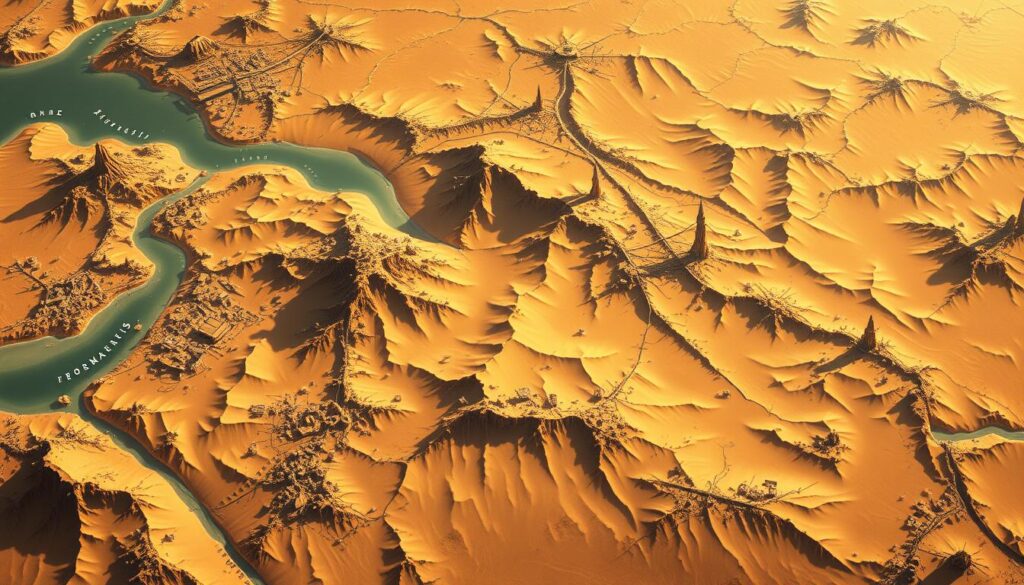
The Hagga Basin spans 65 km² of manageable terrain, perfect for learning base-building and resource gathering. New explorers discover three subregions here: the mineral-rich Hagga Rift, the perilous Eastern Vermillius Gap, and Jabal Eifrit Al-sharq’s winding canyons.
House Atreides supporters thrive in Arrakeen, where guarded markets and quest hubs let players trade safely. Meanwhile, Harko Village caters to Harkonnen loyalists with black-market dealers and faction-specific missions that reward ruthless tactics.
Veterans brave the Deep Desert – a 500 km² PvPvE arena where weekly sandstorms reshape spice fields. This zone demands constant vigilance, as rival players and colossal sandworms stalk the dunes.
Hidden Treasures and Strategic Havens
Crash sites littered with shipwrecks become battlegrounds for rare schematics and weapons. These high-risk areas require quick thinking – you’ll often race against other scavengers to claim prizes.
Natural caves serve dual purposes: shelter from dust storms and secret stashes of water filters. Some caverns even hide NPC traders offering exclusive gear in exchange for rare materials.
Strategic players use Arrakeen and Harko Village trading posts to stock up before expeditions. These safe zones become vital pit stops when preparing for the Deep Desert’s unpredictable dangers.
Interactive Tools and Functionalities
Collaborative strategies take center stage with advanced planning systems designed for coordinated gameplay. These features transform how teams prepare for challenges, combining real-time communication with precision tracking.
Using Whiteboard Mode and Group Tools
Whiteboard Mode lets guilds sketch attack routes directly on shared maps. Draw defensive perimeters around bases or mark ambush points during sandstorms. Multiple users can edit simultaneously, making it perfect for last-minute strategy changes.
Group tools automatically sync discoveries across your team. When one player tags a spice deposit, everyone sees it instantly. Custom filters let squads focus on specific objectives – like hiding spots or enemy patrol patterns.
Item-to-Container Search and Filter Options
Need rare crafting materials? Type any component’s name to see every crate, enemy, or node that drops it. This search tool cuts loot hunts by half, displaying results as color-coded pins or sorted lists.
Filters give total control over your map view. Hide common rocks to spotlight precious metals, or mute low-level threats when preparing for endgame zones. Settings sync across servers, so your preferences stay consistent everywhere you play.
Navigating Gameplay Elements and Map Search Features
Strategic navigation becomes your lifeline in this unforgiving environment. Advanced tracking systems help players balance exploration with survival, turning chaotic sandscapes into calculated adventures.
Tracking PvP Zones, NPCs, and Enemy Camps
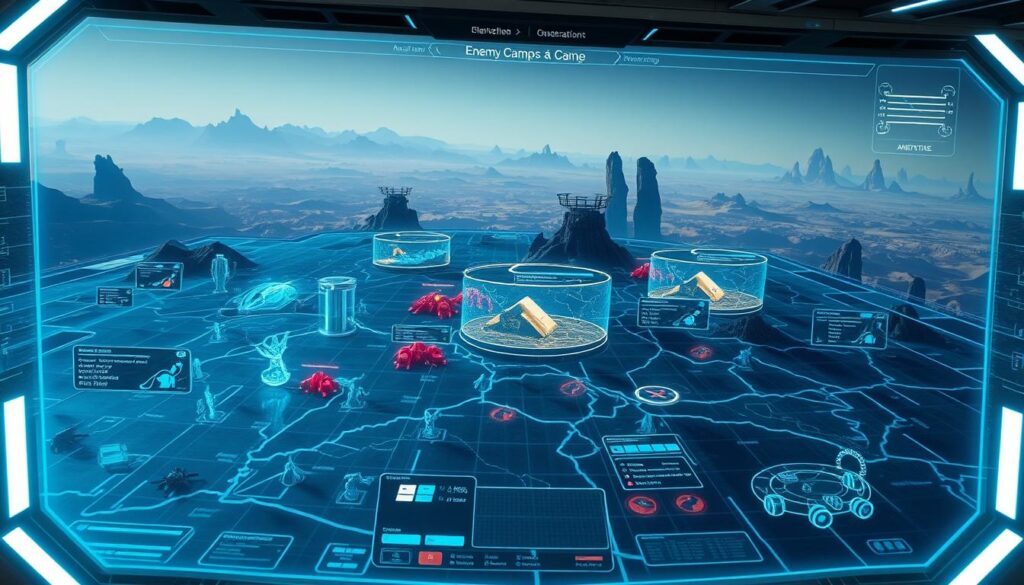
Color-coded PvP zones act as both warning signs and battle invitations. Peaceful explorers use crimson borders to steer clear of conflict areas, while thrill-seekers chase these hotspots for intense player showdowns. Recent updates added flashing alerts when rival squads enter your territory.
Enemy camps reveal more than just locations – hover over markers to see patrol sizes and recommended gear levels. Found a heavily guarded outpost? The system suggests flanking routes and optimal attack times based on your character loadout.
Imperial Testing Stations stand out with purple holograms. These abandoned labs reward brave explorers with vehicle upgrades but require careful planning. One beta tester noted: “The walkthrough markers saved hours – knew exactly which vents to sabotage before entering.”
VIP Tools and Companion App Integration
Premium users unlock real-time progress dashboards across devices. Manage three character slots simultaneously, each with separate checklists for gear, quests, and discoveries. VIP tools automatically reset objectives when starting new walkthroughs – perfect for completionists.
The companion app turns phones into command centers. Update team waypoints during commutes or check enemy camp respawn timers between meetings. Guild leaders especially love the shared annotation features – sketch battle plans that sync instantly to everyone’s map.
| Feature | Free Version | VIP Benefits |
|---|---|---|
| Checklists | 3 active | Unlimited + Priority Sync |
| Enemy Intel | Basic stats | Patrol schedules + Loot tables |
| Cross-Device Sync | 6-hour delay | Real-time updates |
Resource Management and Crafting Essentials
Thriving on Arrakis demands more than survival instincts—it requires smart resource strategies. Every canyon and dune holds materials critical for progression, with specific regions specializing in distinct crafting components. Let’s break down where to find essential elements and how they fuel your journey.
Strategic Material Hotspots
New explorers should target Hagga Basin South for copper ore deposits. This versatile metal forms the backbone of early-game gear like water recyclers and basic tools. Head east to find iron ore clusters perfect for crafting combat blades and turret defenses.
Veterans seek rarer components. The Eastern Shield Wall’s aluminum ore becomes vital for advanced base construction, while Sheol’s jasmium crystals enable energy weapon modifications. “Upgraded harvesters triple your yield in these zones,” notes a top guild leader.
Three key gathering tips:
- Use salvaged metal from crash sites for quick repairs
- Stockpile carbon ore from Jabal Eifrit for vehicle parts
- Combine erythrite crystals with basalt stone for thermal armor
Imperial Testing Stations offer game-changing rewards. These abandoned facilities contain schematics for dune buggy engines and shield generators. Recent players reported finding enough aluminum ore here to skip 8 hours of farming.
The terrain rewards planners. Smart crafters rotate between regions—collect agave seeds for medkits in The O’odham, then mine basalt stone in Mysa Tarill for foundation slabs. Sync your map filters to highlight priority materials based on current projects.
Tips for Maximizing Your Interactive Map Experience
Optimizing your desert expeditions requires more than just a good compass—it demands smart system mastery. Whether you’re gathering rare materials or coordinating with allies, these strategies will help you outpace rivals and conquer harsh environments efficiently.
Customizing Filters and Marking Progress
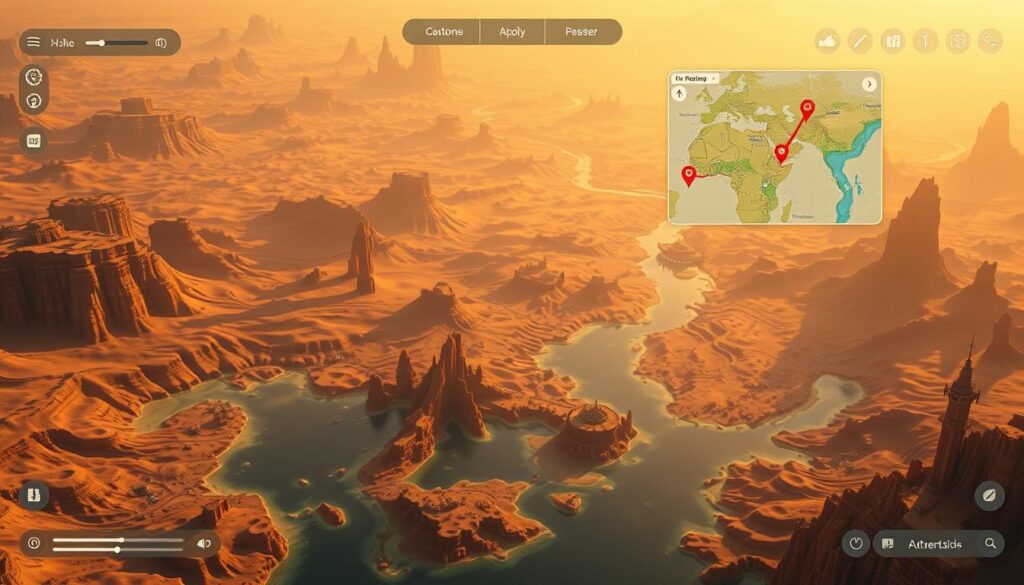
Create specialized filter sets for different goals. Need crafting materials? Make a preset highlighting copper ore and basalt stone. Hunting vehicle parts? Filter maps to show crash sites and testing stations. Save these configurations to switch objectives instantly.
VIP users unlock game-changing tools:
- Track three character progressions simultaneously
- Sync checklists across phones, tablets, and gaming rigs
- Reset exploration data when starting new walkthroughs
Strategies for Solo Players and Group Play
Solo adventurers should use the Mark as Completed feature religiously. Tag harvested resource nodes and cleared enemy camps to avoid backtracking. Set daily goals using priority lists for base upgrades or gear crafting.
Teams thrive with shared systems:
| Role | Tool | Benefit |
|---|---|---|
| Scout | Live Danger Markers | Warn allies about sandworm movements |
| Crafter | Resource Heatmaps | Pin high-yield mining zones |
| Leader | Group Checklists | Assign objectives across regions |
Considering premium features? The xREALM private server price matches standard rates, but purchasing through map tools directly funds new navigation upgrades. VIP access proves invaluable for players managing multiple projects – imagine tracking spice routes while blueprinting your next base expansion!
Conclusion
Conquering Arrakis requires both courage and clever use of technology. The right navigation systems transform endless sands into structured opportunities, letting you outsmart environmental threats and rival factions alike.
From tracking shifting spice fields in the deep desert to securing strategic base positions near rare materials, every discovery builds toward dominance. Teams thrive by sharing real-time updates about imperial ruins or sudden sandworm movements, turning chaotic landscapes into coordinated triumphs.
Whether scavenging solo or leading guild expeditions, these tools adapt to your playstyle. VIP features like cross-device sync ensure your progress never stalls – plan routes on lunch breaks, then execute them flawlessly at home. Survival here isn’t just about endurance; it’s about making the harsh world work for you.
Remember: the most successful explorers balance preparation with flexibility. Bookmark key locations, but stay ready to pivot when storms erase paths. With smart systems and teamwork, even the deep desert becomes a playground for the prepared.