
Ready to unlock survival skills that transform desert exploration? While four classes greet new players, a fifth remains hidden in shifting sands. This exclusive specialization demands more than character creation – it requires tracking a nomadic mentor across Arrakis.
Derek Chinara holds the keys to rare abilities like resource optimization and storm prediction. His mobile training camp appears at three Imperial Testing Stations, with each location revealing new challenges. Our step-by-step guide pinpoints his exact coordinates through every phase of the questline.
Why choose this path? Players gain tactical advantages in navigation and crafting unavailable elsewhere. From identifying spice blow patterns to building shelter networks, these techniques reshape gameplay for solo adventurers and faction leaders alike.
Key Takeaways
- Fifth class requires completing multi-stage desert quests
- Trainer Derek Chinara moves between Imperial Testing Stations
- Specializes in survival mechanics and environmental mastery
- Unlocks unique resource management systems
- Provides navigation tools for extreme conditions
- Quest progression tied to map exploration milestones
Newcomers often miss early clues near the southern rock formations. Veterans can optimize their progress using timed sandworm avoidance strategies. Whether you’re securing water or decoding weather patterns, this journey rewards patience with unparalleled gameplay depth.
Game Overview and Questline Introduction
Surviving Arrakis demands more than bravery—it requires a master’s touch. While most classes focus on combat, one hidden path transforms how you interact with the desert. This journey begins not at character creation, but through persistent exploration.
Setting the Stage in Arrakis
The desert planet tests players with extreme heat, sandstorms, and scarce resources. Survival here means tracking water sources and predicting weather shifts. Without proper training, even seasoned explorers struggle to thrive.
Derek Chinara’s mentorship becomes crucial for accessing rare survival techniques. His mobile camp appears at three key locations, each requiring specific environmental knowledge to reach. This setup encourages players to adapt their strategies as they progress.
Importance of the Planetologist Questline
Unlike standard classes, this path offers passive boosts that streamline resource gathering and navigation. Completing the questline unlocks:
- 20% faster travel speed during sandstorms
- Enhanced spice detection ranges
- Blueprint for portable moisture harvesters
These abilities prove vital for accessing hidden areas packed with rare materials. The table below shows how this specialization compares to other classes:
| Feature | Planetologist | Other Classes |
|---|---|---|
| Trainer Mobility | Moves with player | Fixed locations |
| Survival Skills | Environment mastery | Combat-focused |
| Quest Requirements | Multi-stage exploration | Single-location tasks |
Players who complete this journey gain tools that reshape their entire approach to Arrakis. From identifying safe routes to optimizing water use, these skills create lasting advantages.
Understanding the Role of the Planetologist Trainer
Mastering Arrakis requires a guide who understands its secrets. Unlike stationary mentors, this expert travels with you, turning the desert itself into a classroom.
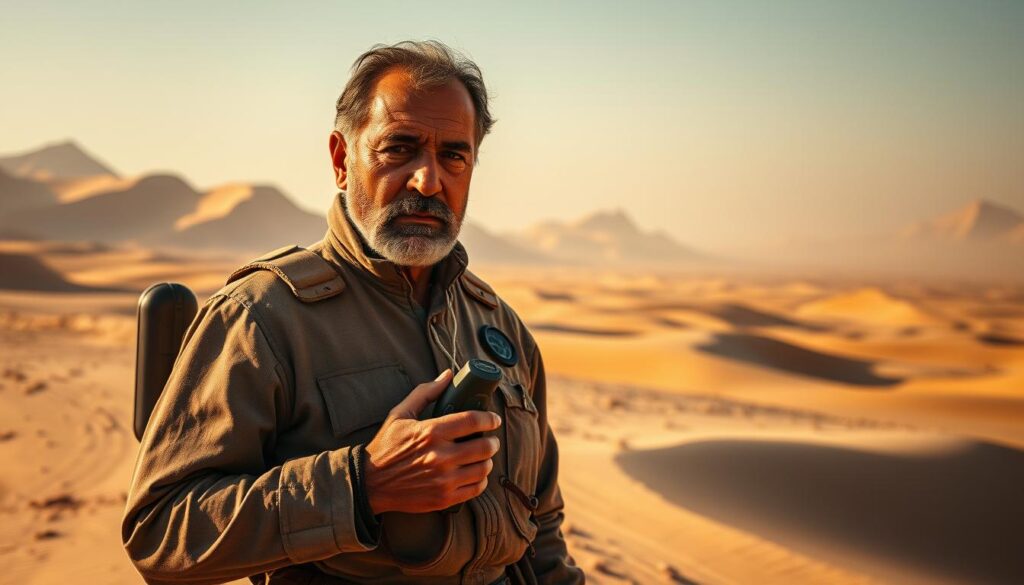
The Uniqueness of Derek Chinara
This nomadic instructor thrives where others settle. While most teachers stay in safe zones, he moves between abandoned research sites. His methods blend survival training with hands-on data recovery missions.
You’ll find him analyzing weather patterns or excavating old labs. Each lesson adapts to your location, creating dynamic challenges. This approach builds skills no textbook could teach.
Unlocking the Planetologist Skill Tree
Completing field assignments with Derek rewards specialized abilities. Early tiers focus on water conservation and storm navigation. Later upgrades reveal rare material deposits and stealth movement techniques.
| Feature | Derek Chinara | Standard Trainers |
|---|---|---|
| Teaching Style | Field experiments | Classroom lectures |
| Location | Mobile camps | Fixed settlements |
| Progression | Environment-based | Level-gated |
The table above shows why this path suits explorers. Skills unlock through practical achievements rather than simple experience points. This system rewards curious players who venture beyond mapped territories.
dune awakening planetologist advanced
True mastery of Arrakis’s sands comes through persistent exploration. After unlocking foundational survival techniques, dedicated explorers face a transformative challenge that reshapes their entire approach to the desert.
Defining the Advanced Journey
The advanced planetologist path pushes players beyond basic resource management. You’ll navigate collapsing research bunkers and decode encrypted data logs across three Imperial facilities. Each station features unique environmental puzzles tied to the skill tree progression.
Key challenges include:
- Timed retrieval of Minimic Films during sandstorms
- Reconstructing broken climate monitoring systems
- Balancing combat readiness with delicate equipment handling
Comparing Basic and Advanced Techniques
Early training focuses on immediate survival needs. The advanced curriculum teaches predictive analysis and long-term planning. See how methods evolve:
| Aspect | Basic | Advanced |
|---|---|---|
| Movement Speed | +10% in calm weather | +25% during storms |
| Resource Detection | 50m range | 150m + depth sensing |
| Testing Stations | Single objective | Linked multi-stage tasks |
Completing these trials unlocks game-changing abilities like thermal regulation systems. Your planetologist skill becomes a strategic asset for faction operations and solo expeditions alike.
Navigating Imperial Testing Stations
Exploring Arrakis’s forgotten research hubs offers both risk and reward. These crumbling facilities hold blueprints for revolutionary desert tech, but their current residents test even seasoned explorers.

Overview of Key Stations
Six primary imperial testing stations dominate strategic regions. Hagga Basin South’s Station 2 features vertical farming prototypes, while West Vermilius Gap’s Station 197 houses broken climate control systems. Each location demands different tactics:
- Jabal Eifrit’s angular structures favor close-quarters combat
- The O’odham stations require heat-resistant gear for exterior access
- Hagga Rift’s underground labs challenge navigation skills
Tips for Quick Exploration
Smart scouts save hours by decoding facility patterns. Look for faint yellow markings near ventilation shafts – these often mark hidden caches. Most stations follow a three-zone layout:
- Entry corridors with basic scavengers
- Central research chambers containing data logs
- Secure vaults holding rare schematics
When facing shielded foes, switch to piercing weapons or timed explosives. Pro tip: Check ceiling panels in storage rooms – 40% contain unmarked supply stashes.
Step-by-Step Quest Objectives and Strategies
Locating vital research materials separates casual explorers from desert masters. These missions test your ability to spot hidden details while managing threats – a perfect blend of observation and quick thinking.
Minimic Film Recovery Tactics
Finding these films requires a systematic approach. Start by activating quest tracking – compass markers will point you toward general areas. Look for these clues in testing stations:
- Glowing yellow lights near movable objects
- Bookcases that don’t align with walls
- Floor vents with unusual scratch patterns
In Station No. 2, push the illuminated bookcase to reveal a secret lab. For Station 197, follow the right wall after descending the main ramp – the film hides behind a false panel with faint heat waves.
Optimizing Movement Through Testing Stations
Smart navigation saves time and resources. Most stations follow a three-zone pattern:
- Entry corridors (quick loot checks)
- Central chambers (environmental puzzles)
- Secure vaults (primary objectives)
Prioritize rooms with scientific displays or damaged equipment – 70% of films hide there. Pro tip: Clear enemies near chokepoints first to create safe backtracking routes.
Balance thorough searches with resource management. Check every suspicious wall but keep water reserves above 25%. Successful explorers develop pattern recognition – once you’ve found five films, you’ll start spotting hiding spots instinctively.
Interacting with Key Characters and Locations
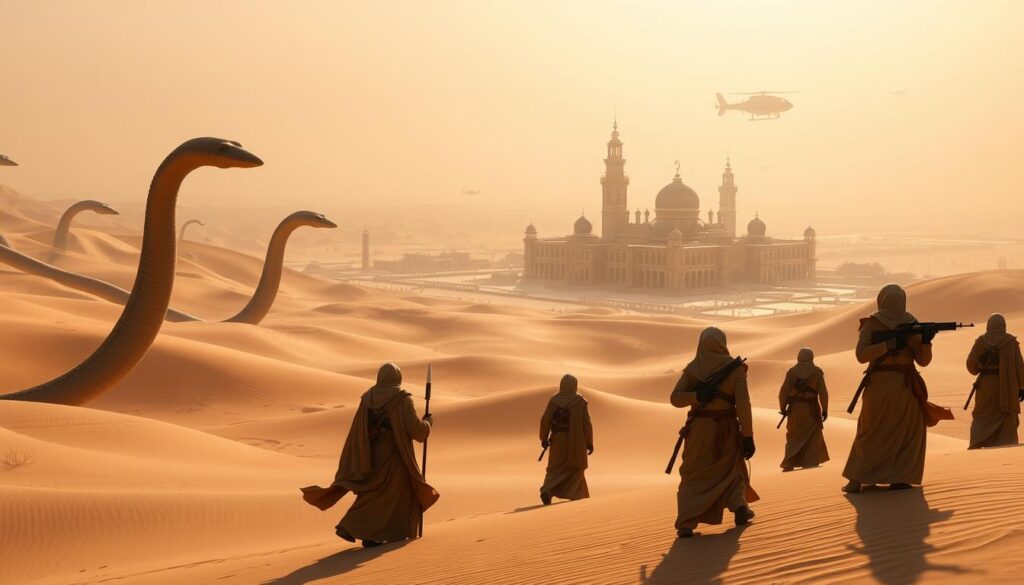
Building alliances across Arrakis requires more than a map – it demands social finesse and sharp instincts. Your journey will weave through crowded cities and remote research outposts, each interaction shaping your path forward.
Meeting Derek Chinara at Different Locations
Derek’s mobile camp first appears near Hagga Basin South’s Testing Station No. 2. Later encounters shift to unstable terrain requiring thermal goggles and sand anchors. His three primary locations test different skills:
- Rocky plateaus: Navigate using star patterns
- Collapsed labs: Repair scanning equipment mid-storm
- Dune valleys: Avoid patrols while collecting samples
Each meeting unlocks new dialogue options as trust grows. Prove your worth, and he’ll share encrypted maps to secret spice deposits.
Finding Allies Like Cyprian and Thufir Hawat
Arakeen’s Salusan Bull bar hides Cyprian Io behind two staircases. Look for the red umbrella – his bodyguards block direct approaches. Bring trade offers or faction intel to gain entry.
Thufir Hawat waits near the city’s eastern water market. Mentat calculations require specific data types:
- Spice production reports
- Weather anomaly logs
- Sandworm migration patterns
Harkonnen-aligned players meet Piter de Vries in Harko Village’s underground chambers. All versions reward unique schematics when handled correctly.
Advanced Quest Techniques and Skill Unlocks
Reaching mastery in the desert requires strategic progression through key milestones. Each testing station becomes a classroom where survival techniques evolve into game-changing advantages.
Detailed Walkthrough for Each Quest Stage
Completing Station No. 197 in West Vermilius Gap unlocks enhanced survival capabilities, boosting resource detection ranges by 40%. This first major upgrade lets explorers spot hidden caches through sandstorms.
Station No. 76 in Jabal Eifrit introduces thermal regulation systems. Players gain +25% movement speed during extreme heat – a lifesaver for reaching distant objectives.
The Spice Surveyor skill activates after conquering Station No. 29. This ability reveals underground spice deposits, creating new economic opportunities. Later stages like Station No. 71 refine energy management, letting you operate equipment 50% longer.
Final challenges at Station No. 163 reward the Heat Management capstone. This pinnacle ability turns scorching dunes into navigable terrain, completing your transformation into a desert expert.