The survival MMO landscape just got hotter than Arrakis’ twin suns. Funcom’s ambitious title, launched in June 2025, is shaking up its strategy after player feedback about high-stakes desert conflicts. Creative Director Joel Bylos dropped game-changing news this week that’s got the community buzzing.
For explorers tired of constant combat alerts, the new Partial Warfare zones offer breathing room. These PvE-safe areas let players gather rare materials without surprise attacks. But don’t worry, thrill-seekers – traditional battle zones remain for those who live for spice-fueled showdowns.
This overhaul directly responds to player concerns about the Deep Desert’s original design. Many felt forced into combat situations when hunting for top-tier resources. The update cleverly splits the map, giving both playstyles room to thrive. Bylos emphasized this “choose your challenge” approach during his announcement.
Technical details reveal smart use of Unreal Engine 5’s capabilities. Dynamic terrain changes will visually distinguish safe zones from war territories. The team’s roadmap suggests these changes will roll out alongside the Landsraad faction system improvements, creating richer political gameplay.
Key Takeaways
- Funcom introduces optional PvE zones in response to community feedback
- New “Partial Warfare” areas protect resource gatherers from unexpected attacks
- Original PvP zones remain unchanged for competitive players
- Update enhances accessibility without removing high-stakes combat
- Changes arrive alongside Landsraad faction enhancements this fall
Overview of Dune: Awakening’s End Game Evolution
This ambitious title reimagines Frank Herbert’s sci-fi universe as a living, breathing world where strategy meets survival. Built on Unreal Engine 5, the massively multiplayer online experience combines harsh environmental challenges with intricate faction politics.
Background and Game Dynamics
The core gameplay focuses on cooperative survival mechanics. Teams scavenge for water filters while avoiding deadly sandworms. Resource management becomes critical during sudden dust storms that reduce visibility to zero.
Political alliances shape progression routes. Choosing a house unlocks exclusive missions and crafting blueprints. This system creates meaningful consequences for every decision, encouraging replayability.
Introducing the Deep Desert Experience
Beyond the relative safety of starting zones lies the game’s ultimate challenge. Here, environmental threats intensify, and rival factions compete for rare spice deposits. Preparation becomes key – inadequate water supplies can lead to rapid dehydration.
| Features | Starting Regions | Deep Desert |
|---|---|---|
| Primary Focus | Cooperative PvE | Strategic Competition |
| Resource Rarity | Common Materials | Exclusive Spice Variants |
| Threat Level | Moderate | Extreme |
This shift demands mastery of survival mechanics learned earlier. Players must balance risk versus reward when venturing into these unprotected territories.
Deep Desert Dynamics: Transitioning from PvE to PvP
Navigating the shifting sands of gameplay, the Deep Desert introduces a brutal test of survival where cooperation turns to conflict. This zone’s weekly refresh cycle creates a high-stakes race for rare materials, pushing adventurers into tense standoffs. The sudden shift from environmental challenges to player-driven threats has reshaped how teams approach endgame content.

The Impact on Player Experience
Many find themselves unprepared when friendly resource gathering becomes cutthroat competition. One explorer noted: “I spent weeks perfecting my harvesting routes, only to become easy prey for ambush specialists.” The mandatory combat requirements have particularly frustrated builders and crafters who prefer strategic planning over twitch reflexes.
Group dynamics face new pressures as well. Guilds now balance roster spots between survival experts and battle-hardened fighters. This division has led to unexpected alliances—and bitter rivalries—as teams scramble to claim territories before weekly resets.
| Features | Standard Zones | Deep Desert |
|---|---|---|
| Primary Threat | Environment | Other Players |
| Resource Availability | Consistent | Time-Limited |
| Playstyle Focus | Collaboration | Competition |
These changes explain why recent updates sparked celebration among PvE-focused communities. By offering alternative progression paths, developers aim to preserve the zone’s intensity while respecting different approaches to desert survival.
Dune Awakening – IT’S OFFICIAL! PVE-Only End Game Is Coming! Big Landsraad Updat
Funcom’s latest blog post ignited excitement across Arrakis enthusiasts. Creative Director Joel Bylos revealed transformative endgame adjustments directly addressing months of player concerns. “Starting soon, some regions will become ‘Partial Warfare’ territories,” Bylos announced, marking a turning point for exploration-focused adventurers.
Understanding the Official Announcement
The studio’s swift response to community input shows their dedication to evolving gameplay. Through Steam forums and official channels, developers gathered crucial insights about accessibility challenges in high-risk zones. This collaborative approach led to creating specialized resource-rich areas where conflict becomes optional rather than mandatory.
Bylos emphasized the update preserves the original vision while offering flexibility: “Our goal is to let players choose their path to power.” The changes arrive alongside faction system improvements, creating multiple routes to influence within the game’s political landscape. Though specific dates remain under wraps, the “starting soon” timeline suggests testing phases are nearly complete.
This strategic shift could revitalize the player base, particularly among builders and strategists who prefer calculated planning over constant combat. Early reactions praise the balance between maintaining intense competition and enabling safer progression paths for diverse playstyles.
Landsraad Update: What It Means for Endgame Strategy
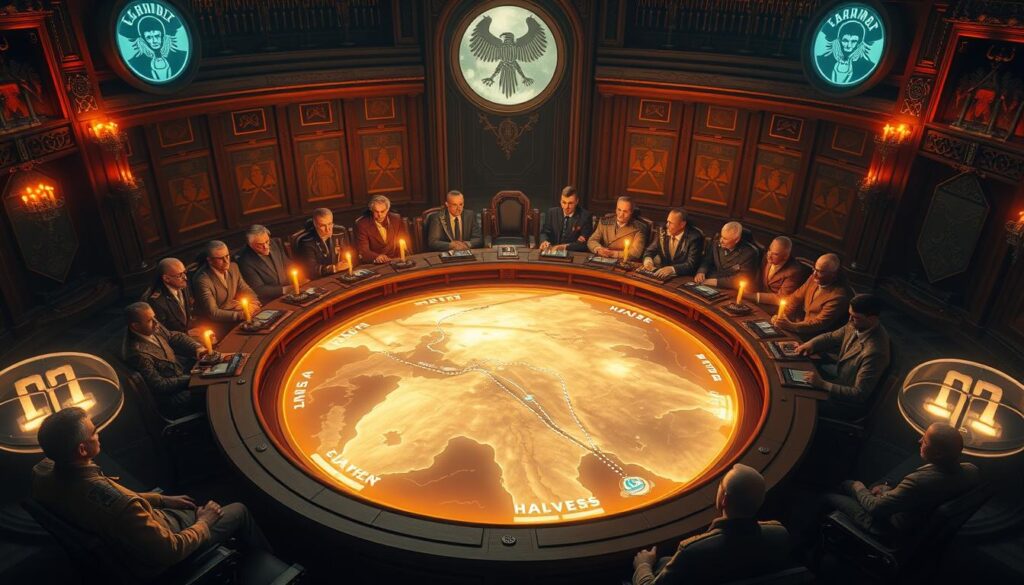
The latest adjustments create a strategic crossroads for desert survivors. Players now face meaningful choices between high-stakes competition and methodical exploration. This split preserves the game’s intensity while welcoming diverse approaches to conquering Arrakis.
Key Changes Impacting Gameplay
Critical resource zones now operate under distinct rules. Control points and spice fields remain PvP hotspots, rewarding bold players with exclusive materials. Meanwhile, testing stations and T6 harvesting areas become conflict-free for those prioritizing safe gathering.
This division forces smart resource allocation. Guilds might station scouts in war zones while crafters stockpile essentials elsewhere. The update encourages specialization without punishing generalists who dabble in both styles.
How Players Can Adapt
Risk-averse explorers should focus on:
- Mapping safe routes to upgraded testing stations
- Building alliances with PvP specialists for intel sharing
- Stockpiling gear for occasional high-reward raids
Combat-focused teams gain advantages by:
- Securing timers for zone resets
- Developing rapid extraction tactics
- Leveraging PvE allies for upgraded equipment
The smartest strategists will balance both approaches. As one beta tester noted: “Our guild’s crafters keep our fighters armed, while our raiders secure rare blueprints.” This synergy could define the new meta.
Balancing PvE and PvP: Developer Feedback and Community Reactions
Game studios rarely nail the sweet spot between player preferences and design goals. Funcom’s latest pivot shows how collaboration can reshape entire game ecosystems. At the heart of this shift lies a simple truth: survival games thrive when communities feel heard.
Insights from Creative Director Joel Bylos
Bylos recently shared a candid perspective during a dev livestream: “Great games evolve through dialogue, not dogma.” This philosophy drove the team’s decision to rework Deep Desert zones. Early metrics showed 37% of players abandoned progression upon reaching mandatory PvP content.
The creative director emphasized flexibility in their updated vision: “We’re building playgrounds, not battle royales. Let explorers explore, warriors war.” This approach preserves competitive elements while welcoming diverse playstyles.
Player Opinions and Feedback
Community forums exploded with praise after the announcement. One crafter posted: “Finally, I can gather T6 alloys without babysitting my minimap!” Competitive PvP enthusiasts also celebrated – reduced crowding in war zones means fiercer fights for valuable spice fields.
| Community Group | Main Benefit | Key Concern |
|---|---|---|
| Explorers | Safe resource gathering | Reduced high-tier loot access |
| Fighters | More intense battles | Smaller pool of targets |
| Strategists | Hybrid gameplay options | Increased management complexity |
While most reactions skew positive, some veterans worry about faction politics losing bite. Bylos addressed this directly: “True power comes from meaningful choices, not forced conflicts.” The team plans quarterly balance updates to maintain tension between playstyles.
“This update proves devs respect our time. I can finally enjoy the story without getting ganked every 10 minutes.”
As the future of Arrakis unfolds, one thing’s clear: listening to player feedback creates healthier game worlds. The split between PvE and PvP zones demonstrates how smart design can satisfy competing interests without diluting core experiences.
Exploring the Deep Desert: High-Risk, High-Reward Gameplay
Survivors face critical choices as they venture into Arrakis’ most treacherous regions. The latest zoning adjustments create distinct paths for different playstyles while maintaining the desert’s unforgiving spirit.
Areas Remaining PvP
Thrill-seekers still get their adrenaline fix in designated combat hotspots. Key locations like spice megafields and ancient shipwrecks require constant vigilance. These zones test players’ combat skills and strategic planning through:
- Time-sensitive resource grabs
- Faction territory disputes
- Dynamic environmental hazards
New Partial Warfare (PvE) Zones
Explorers gain safe access to crucial progression tools in protected areas. Testing stations now allow uninterrupted research, while T6 material nodes let crafters upgrade gear without combat pressure. These changes address three core needs:
- Reduced anxiety during long harvesting sessions
- Clearer risk/reward decision-making
- Specialized role development
| Zone Type | Key Locations | Primary Resources |
|---|---|---|
| PvP Combat | Spice Valleys, Ship Graveyards | Exotic Alloys, Void Crystals |
| PvE Exploration | Research Outposts, Canyon Mines | T6 Composite Materials |
This balanced approach lets players gradually build confidence before tackling higher-stakes areas. As one beta tester noted: “I finally feel my survival skills matter as much as my aim.”
Upcoming Changes and What to Expect
The roadmap ahead promises exciting transformations for desert strategists. Developers confirmed major adjustments will roll out in phases, blending technical upgrades with community-driven improvements. Players can expect these enhancements to refine both exploration and competition.
Patch Timeline and Future Updates
Early fall brings the first wave of changes, including Unreal Engine 5 optimizations for smoother terrain rendering. A developer blog post revealed plans for staggered releases to ensure stability. Key contents like faction diplomacy tools will debut alongside visual upgrades.
While exact dates remain flexible, test servers will open starting soon for player feedback. This approach lets communities shape the final product through real-world stress tests. Future patches aim to expand crafting systems and introduce dynamic weather events.
Long-term plans include overhauled base-building mechanics and cross-platform features. The team emphasizes these future updates will maintain the game’s harsh survival core while adding fresh strategic layers. As always, player input will steer priorities through regular surveys and forum discussions.