Discover how to unlock one of Arrakis’ most valuable specializations in this survival MMO. While many classes are available at launch, the true gem lies in mastering environmental expertise through dedicated progression. This guide reveals why prioritizing this path offers unmatched advantages for explorers and strategists alike.
Unlike starter roles, this specialization focuses entirely on enhancing survival capabilities through three unique development paths. The first improves resource efficiency, letting you extract more materials with less effort. The second provides movement upgrades for navigating harsh terrain, while the third optimizes vehicle performance across the desert.
What makes this progression system unique? You’re never locked into single-path development. After completing a challenging 9-mission storyline, you can freely combine abilities from different branches. This flexibility allows players to adapt their build for specific expeditions or team roles without restarting their journey.
Key Takeaways
- Specialized class requires in-game achievements rather than initial selection
- Three complementary development paths enhance different survival aspects
- Non-restrictive system allows hybrid builds after unlocking
- Early investment pays off through entire gameplay experience
- Quest chain involves locating trainers and completing multi-stage objectives
- Abilities directly improve resource yields and exploration efficiency
Introduction to Dune Awakening and the Planetologist Role
Uncover the secrets of Arrakis with a role that transforms survival into mastery. While combat-focused classes dominate initial choices, this hidden specialization rewards those who value preparation over brute force. Its toolkit turns harsh environments into manageable challenges through scientific precision.
Survival Through Strategic Specialization
The Planetologist operates differently from standard roles. Instead of combat upgrades, its three core branches focus on essential survival mechanics:
| Branch | Focus | Key Perk |
|---|---|---|
| Scientific Analysis | Resource Harvesting | +25% Material Yield |
| Desert Navigation | Movement Efficiency | 40% Reduced Sand Fatigue |
| Vehicle Customization | Transport Optimization | Extended Fuel Capacity |
These abilities stack with your primary class features, creating hybrid builds that excel in specific scenarios. As one beta tester noted: “Mastering these systems feels like cracking the desert’s code – suddenly everything works smoother.”
From Early Expeditions to Endgame Dominance
What makes this role indispensable? Early upgrades like improved water recycling help beginners endure longer treks. Later perks transform entire playstyles – imagine locating rare spice deposits through thermal scans or modifying vehicles to cross dune seas in record time.
The real magic happens when combining branches. Pair mobility boosts with harvest bonuses to farm dangerous areas quickly, or mix vehicle upgrades with navigation skills for scouting missions. This flexibility ensures your investment pays dividends through every gameplay phase.
Locating Your First Trainer and Early Quest Essentials
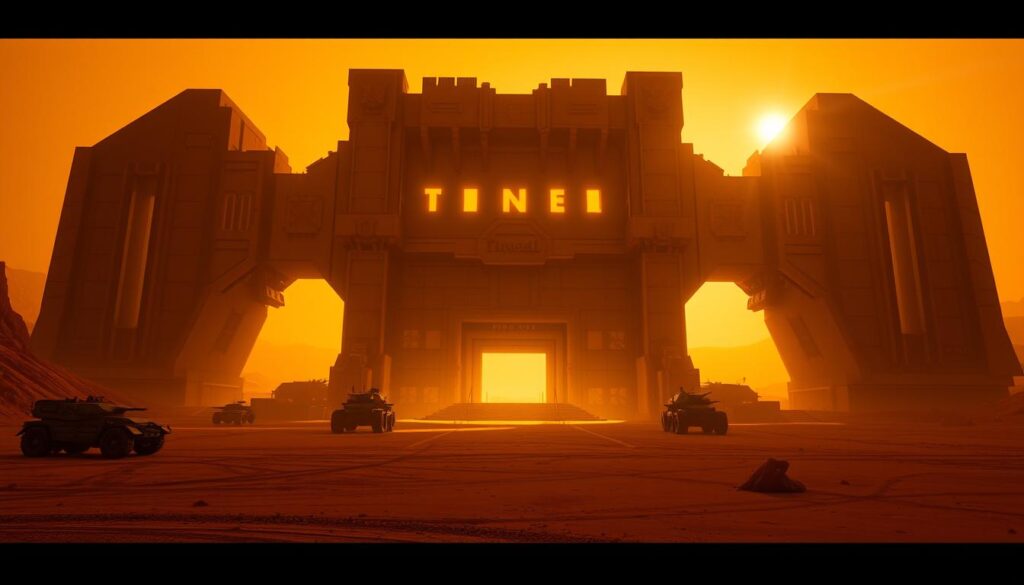
The journey to environmental mastery begins at an overlooked camp near Imperial Testing Station 02. Nestled on a cliff in Hagga Basin South, this area becomes accessible as you progress through main story missions. New explorers often rush past this critical location, unaware of the opportunities hidden above the testing complex.
Finding Derek Chinara at the Imperial Testing Station
Look for researcher Derek Chinara’s makeshift camp southwest of the testing station entrance. His position along the Sandbike Journey route ensures most players stumble upon him naturally. “This isn’t just about survival,” he’ll explain. “It’s about understanding the desert’s patterns.”
Before sharing his knowledge, Derek tasks you with retrieving a minimic film from the facility below. This ancient recording holds data crucial for decoding Arrakis’ ecosystem. The quest serves as your introduction to dungeon navigation and environmental puzzles.
Retrieving the Crucial Minimic Film
Descend into the Imperial Testing Station through its main access tunnel. Combat basic security drones while moving toward the lower levels. Near the facility’s deepest point, watch for a bookshelf emitting a faint yellow glow – your key to the secret chamber.
Interact with the glowing tome to reveal the hidden room. Inside, the minimic film rests on a circular table, protected by decaying containment fields. Success here unlocks further training while teaching vital observation techniques for future challenges in Hagga Basin South.
Unlocking the dune awakening planetologist skill tree
Mastering Arrakis demands more than survival gear—it requires specialized knowledge. Completing Derek’s minimic film quest grants access to three development paths that reshape how you interact with the desert. This system rewards strategic planning with tangible upgrades that stack across gameplay phases.
Initiating the Basic Quest to Unlock Skills
After delivering the film, Derek activates your first environmental abilities. Unlike standard classes, these nodes become available across all branches simultaneously. You’ll need to:
- Earn XP through exploration missions
- Allocate points across complementary paths
- Balance upgrades with primary class features
Understanding the Development Path Benefits
The system’s flexibility shines through its interconnected branches. Each path offers distinct survival advantages:
| Branch | Core Advantage | Early Game Impact |
|---|---|---|
| Scientific | +30% Tool Efficiency | Longer harvesting sessions |
| Exploration | Climbing Gear Upgrades | Access hidden cave systems |
| Mechanical | Vehicle Heat Reduction | Safer dune crossings |
One beta player remarked: “These upgrades made me rethink entire expedition strategies.” The real challenge lies in completing nine unmarked quests across multiple regions—a journey that transforms basic skills into game-changing abilities.
Prioritize early investments in resource collection or mobility based on your playstyle. Later combinations like enhanced scanners paired with modified sandbikes create synergies that dominate endgame content.
Navigating the Advanced Quest Chain for Planetologists
The path to environmental mastery evolves into a multi-region expedition spanning nine quests. From the Hagga Basin South to northern danger zones, each challenge reveals new layers of Arrakis’ secrets. Prepare for complex navigation and strategic resource management across diverse terrains.

Step-by-Step Breakdown of the Advanced Quests
Your journey begins at Imperial Testing Station 197, where you’ll retrieve another minimic film. Subsequent missions alternate between desert exploration and urban diplomacy:
| Location | Challenge | Reward |
|---|---|---|
| Testing Station 76 | Solve thermal puzzles | Enhanced scanner |
| Arrakeen | Negotiate with Cyprian Io | Political Intel |
| Sietch Tarl | Survive sandworm territory | Navigation charts |
Combat escalates in later stages. At Testing Station 163, you’ll face Maas Kharet fighters using poison-tipped weapons. Final objectives require eliminating sniper teams and recovering Kynes’ recordings near Mysa Tarill.
Key Tips for Managing Resource Efficiency and Progression
Always carry extra fuel cells and repair kits between testing stations. Distances stretch further north, making vehicle maintenance crucial. “The desert punishes the unprepared twice,” warns Derek during a critical mission briefing.
Watch for recurring environmental patterns. Secret chambers often hide behind:
- Glowing bookshelves
- Cracked rock formations
- Distorted sand patterns
Your upgraded stillsuit reward combines moisture recycling with thermal camouflage. This game-changing gear validates the grueling quests while opening new exploration opportunities.
Exploration Strategies: Testing Stations and Trainer Locations
Navigating Arrakis’ training network requires sharp awareness of risk zones and resource management. Basic instructors cluster near starter areas, while advanced mentors test your survival skills in hostile territories. Knowing where to find these experts – and how to reach them – separates casual explorers from true desert strategists.
Comparing Basic and Advanced Trainer Encounters
New players often find class trainers near trade hubs like Arrakeen’s market. These safe zones let you experiment with abilities without major threats. But advanced mentors? They’re hidden in places like West Vermillius’ pit or Harko Village’s underground tunnels.
The Bene Gesserit trainer exemplifies this design. Their hideout lies beneath a crumbling village, guarded by sand-shifted passageways. Reaching them demands solving environmental puzzles while avoiding patrols. As one beta tester noted: “Advanced training feels like earning the desert’s respect.”
Utilizing the Interactive Map and Quest Markers
Your interactive map reveals critical details most players miss. Beyond marking testing stations, it shows:
- Merchant caravans for resupply
- Enemy camp hotspots to avoid
- Shipwreck salvage opportunities
When hunting the Bene Gesserit mentor, use layered map filters to track spice blow patterns. These natural events often conceal path shortcuts. Remember – compass markers fade in storm regions, making manual navigation skills essential for late-game quests.
Conclusion
Embracing environmental mastery transforms how you experience Arrakis. The specialized progression system rewards patience with tools that elevate every expedition. Completing the nine-part questline isn’t just about survival – it’s about rewriting the rules of desert navigation.
Your efforts pay off through enhanced scanning tech and adaptable vehicles. These upgrades make resource collection faster while opening new routes across shifting sands. Group leaders will value your ability to optimize supply routes during extended missions.
The knowledge gained prepares you for other advanced roles. You’ve proven you can handle multi-stage challenges – a time-tested skill in this evolving world. Whether aiding allies or pushing into uncharted zones, your expertise becomes a game-changer.
Remember: true mastery lies in observing patterns others miss. Apply this mindset to future challenges, and Arrakis will reveal secrets few ever witness. The desert rewards those who respect its rhythms.