
Discovering the secrets of survival in the vast deserts of Arrakis starts with unlocking the game’s most elusive class. While four starter options are available immediately, the exclusive fifth class requires dedication to uncover. This guide reveals how to access its unique abilities and thrive in the game’s toughest environments.
To begin your journey, you’ll need to locate a hidden trainer deep within the desert. This character offers quests that test your adaptability and resourcefulness. Completing these challenges unlocks survival-focused skills that transform how you navigate the world.
The class specializes in passive abilities that boost efficiency during exploration and material gathering. These perks become vital for managing scarce resources and enduring extreme conditions. Players who master this role gain a significant advantage in both solo play and group activities.
Key Takeaways
- The fifth class requires completing special desert quests to unlock
- Survival skills enhance travel speed and resource collection rates
- Advanced abilities become crucial for late-game progression
- Trainer location plays a key role in starting the quest chain
- Class mastery improves adaptability in challenging environments
Introduction to the Planetologist Quest
Embarking on the path to master Arrakis’s secrets begins with a challenging journey across nine distinct missions. Unlike standard character options, this specialized role demands completing an intricate series of tasks tied to environmental mastery and strategic thinking.
Overview of the Exclusive Role
The class system features a hidden progression path that rewards persistence. Players start with an optional mission called “Assistance Needed,” which introduces key survival mechanics. Subsequent tasks like “Buried Archives” and “Science Unlocked” escalate in complexity, testing your ability to navigate Imperial Testing Stations.
What You Will Learn in This Guide
Our walkthrough covers:
- Locating Derek Chinara – your first contact
- Strategies for recovering Minimic Film records
- Decoding hidden entrances in Stations 197 & 76
Each completed quest unlocks environmental adaptation skills that reduce water consumption and improve navigation efficiency. By “The Final Piece,” you’ll possess tools to transform barren landscapes into survivable zones.
Understanding the Planetologist Role in Dune: Awakening
Thriving in Arrakis’ merciless environment requires more than basic survival instincts. This specialized role provides tools to turn hostile terrain into manageable pathways through strategic adaptations.
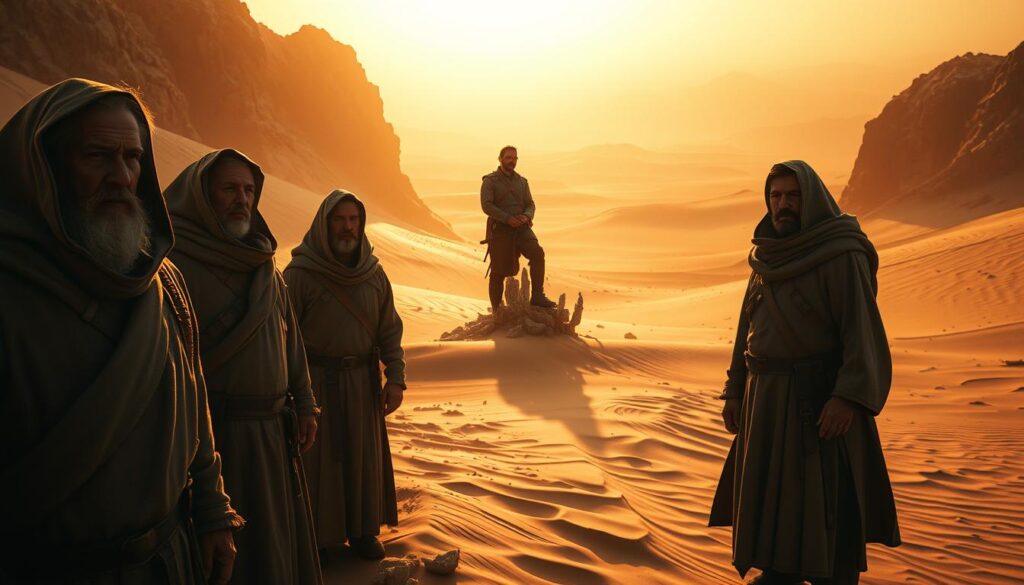
Why This Class Changes Everything
The survival-focused class offers permanent upgrades that stack over time. Unlike temporary boosts from gear, these abilities become foundational to your desert operations. Players gain measurable advantages in three key areas:
- 25% faster movement through sandy terrain
- Enhanced detection of rare materials
- 40% reduced water consumption rates
Passive Advantages That Compound
Early skills like Dune Walker and Resource Radar provide immediate quality-of-life improvements. Advanced tiers unlock game-changers:
Heat Management systems automatically regulate body temperature during sandstorms. Conservation Protocols convert excess materials into reusable survival kits. These upgrades work silently in the background, freeing your attention for strategic decisions.
Progression requires completing specific challenges, but each unlocked ability creates new opportunities. The system rewards patience – your initial investment pays exponential dividends in late-game scenarios.
Getting Started with the Planetologist Questline
Your path to mastering Arrakis’ secrets begins with a choice. Among early-game contracts, you’ll spot an orange-marked mission called “Assistance Needed.” This optional task serves as your gateway to specialized desert survival techniques.
Initial Quest and Optional Tasks
While skipping the introductory quest won’t block progression, completing it offers three advantages:
| Action | XP Gain | Long-Term Benefit |
|---|---|---|
| Complete Quest | +150 XP | Unlocks advanced contracts |
| Skip Quest | 0 XP | Longer resource grind |
The mission introduces core mechanics through practical challenges. You’ll learn to navigate shifting sands while managing limited water supplies.
Key NPCs: Meeting Derek Chinara
Your training begins at a camp east of Griffin’s Reach. Derek Chinara waits above Imperial Testing Station No. 2 – remember this location. As your primary instructor, he offers:
- Custom survival contracts
- Navigation shortcuts
- Resource conversion recipes
“The desert rewards those who prepare – return often, and bring extra stillsuits.”
Revisiting this hub becomes crucial later. Stock up on repair kits before leaving – damaged vehicles strand unprepared travelers in deadly dunes.
dune awakening planetologist walkthrough
Mastering Arrakis’ harsh landscapes begins with your first critical mission. This opening quest teaches essential patterns you’ll use throughout your desert career. Let’s break down the pivotal steps that unlock advanced survival capabilities.

Step-by-Step Quest Breakdown
Your journey starts at Imperial Testing Station No. 2, directly beneath Derek’s camp. Navigate through winding staircases to lower levels, watching for environmental clues. The yellow-glowing bookcase on the right wall marks your target – interact with it to reveal hidden storage.
Once you secure the minimic reels, prepare for immediate combat. Enemies ambush players exiting the secret room, testing your reaction speed. Success here rewards your first survival perk and blueprint access.
Key Actions and Interactions
Three critical elements define this mission:
- Recognizing the glowing sliver on bookcases
- Managing inventory space during item recovery
- Quick weapon switching during ambushes
“The desert doesn’t forgive hesitation – move with purpose after securing artifacts.”
This initial film recovery establishes the core loop: explore, adapt, and overcome. Each completed objective sharpens your ability to handle increasingly complex stations. Remember – later quests build on these mechanics, making mastery here crucial.
Navigating Imperial Testing Stations
Mastering these labyrinthine facilities separates skilled explorers from stranded wanderers. Each testing station presents unique navigation puzzles requiring sharp observation and pattern recognition. Let’s break down how to conquer these critical locations efficiently.
Finding Station No. 197 and No. 76
Your journey begins at Station 197 in the Western Vermilius Gap. Look for a massive sinkhole marked by cracked rock formations – the entrance lies at its base. Three key features distinguish this location:
- Rusted metal platforms circling the pit
- Distinctive blue sand patterns near the drop point
- Derek’s campfire smoke rising from below
Station 76 in Jabal Eifrit Al-janub demands different tactics. Approach from the eastern dunes to spot its half-buried dome structure. Watch for these markers:
- Flickering lights near the main airlock
- Broken surveillance drones patrolling the perimeter
- Sand-scoured maintenance tunnels on the north side
Locating Hidden Entrances and False Walls
Secret passages hide behind walls that appear slightly warmer than surrounding surfaces. Successful explorers use these strategies:
- Scan for hairline cracks forming rectangular shapes
- Listen for hollow echoes when tapping walls
- Watch for dust particles swirling near concealed vents
“The desert’s greatest treasures hide behind what first appears solid.”
Testing stations follow predictable layouts despite surface differences. Upper levels typically house observation decks, while underground chambers conceal vital records. Always check behind decorative panels in plant rooms – these often mask access points to restricted areas.
Recovering Minimic Film Records Throughout the Journey
Securing these rare artifacts transforms how you interact with Arrakis’ environment. Each recovered film reel unlocks critical data about weather patterns and resource deposits. Prioritizing these missions early builds a foundation for long-term survival success.
Smart Scavenging Techniques
Locate film caches by tracking sand displacement patterns near rock formations. Recent storms often expose hidden compartments in testing stations. Always carry extra storage bags – these fragile items break easily during transport.
Use your scanner’s thermal mode to spot slightly warmer wall sections concealing archives. Time your searches during low-wind periods for clearer readings. Team up with other players to cover more ground while avoiding environmental hazards.
Rotate your search routes between stations to prevent resource depletion. Successful hunters combine patience with adaptive tactics – what works in Station 197 might fail in Jabal Eifrit. Remember: every recovered film brings you closer to mastering the desert’s rhythm.